Residential License # 890459
Commercial License # 3667

Opening Hours 9:00 am to 6:00 pm


Call Us Today!
Residential License # 890459
Commercial License # 3667
Opening Hours 9:00 am to 6:00 pm
Call Us Today!

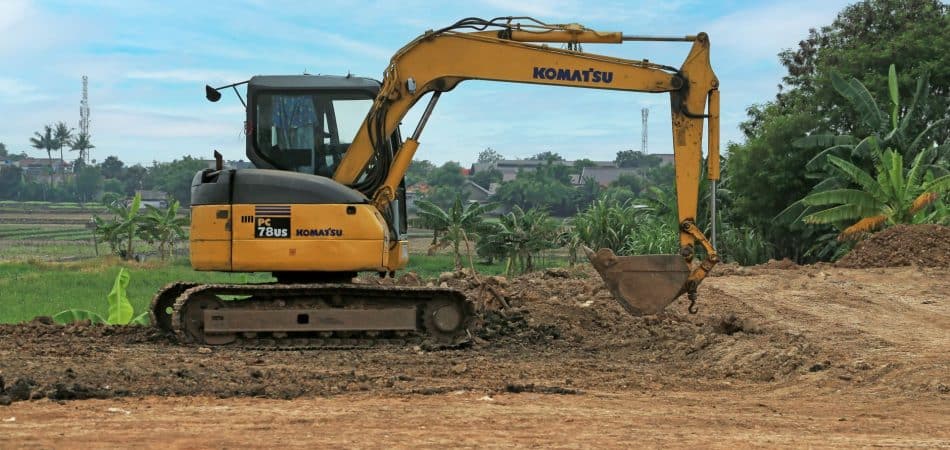
Excavation services cover the earthwork that turns a cleared lot or a fresh teardown into a buildable site: grading the ground to the right slope, trenching for utilities and drainage, and backfilling and compacting the soil so it can support new construction. In New Orleans, these steps usually call for a licensed contractor with the right heavy equipment on hand.
A demolished house or a freshly cleared lot is not automatically ready to build on. Before a foundation, driveway, or pool can go in, the ground needs work: grading to set the right slope, trenching to run utility lines, and backfilling to make loose soil stable again. Excavation services New Orleans property owners search for usually cover this exact gap between “the old structure is gone” and “the site is ready for construction.” Skipping these steps, or hiring someone without the right equipment, is one of the more common reasons a project stalls after the permits are already pulled.
TurnKey Demo Team handles this stage of the job for homeowners, builders, and commercial property owners across the New Orleans area. Whether you’re prepping a lot after a teardown or starting fresh on raw land, TurnKey Demo Team can walk you through what grading, trenching, and backfill will look like on your site before any equipment shows up.
Excavation work covers four main tasks on a New Orleans site: grading the ground to the correct elevation, digging trenches for utilities and drainage lines, hauling in and compacting backfill material, and shaping the final grade so water drains away from structures instead of toward them. Each task builds on the last, so skipping one usually causes problems later in the project.
| Task | What It Does | Why It Matters |
|---|---|---|
| Grading | Levels and slopes the ground to a set elevation | Directs rainwater away from the building |
| Trenching | Digs narrow channels for pipes, conduit, and drain lines | Gets utilities and drainage underground before paving |
| Backfilling | Refills excavated areas with compacted material | Restores stable ground for slabs, patios, and driveways |
| Final grading | Fine-tunes the surface after backfill is complete | Sets up the site for landscaping or paving |
Most jobs need all four steps in some order, though the amount of work depends on what’s being built. A pool addition might only need trenching and backfill around the shell. A new home on a cleared lot usually needs full grading before the foundation crew ever arrives. Commercial sites with existing pavement or old foundations sometimes need extra grading work just to get back to a clean, buildable surface.

A property typically needs excavation work right after demolition or land clearing wraps up, whenever a new structure, addition, driveway, pool, or drainage system is planned for the site. Ground left behind by a teardown or a cleared lot is rarely flat or stable enough to build on without grading and compaction first.
Projects that start with land clearing often move straight into excavation once the vegetation and debris are gone. The same is true once a home demolition wraps up and a new slab or foundation is next on the schedule. In both cases, the excavation crew is picking up where the previous phase left off. This kind of early planning helps property owners avoid surprises once other trades are scheduled to start their part of the work.
If you’re planning a rebuild or addition and aren’t sure what site work comes next, take a look at our excavation services page or reach out before scheduling other trades.
Site grading reshapes the ground so it slopes the right direction, usually away from a building’s foundation, so rainwater drains off instead of pooling against the walls. In a city with New Orleans’s rainfall totals, a properly graded site is what keeps water out of crawl spaces and yards after the first heavy storm.
A grading crew checks the site’s existing elevation, then cuts high spots and fills low spots until the ground reaches a target slope. The City of New Orleans Department of Safety and Permits reviews grading and drainage on many building projects before work can move to final inspection, which is one reason this step needs to happen early and correctly. Getting the grade right before backfill and paving begin is far less expensive than regrading a finished lot later.

Trenching means digging narrow, controlled channels to run water lines, sewer laterals, electrical conduit, or drainage pipe underground, typically two to four feet deep depending on the utility. Louisiana law requires calling 811 at least two business days before any trench work begins, so utility crews can mark buried lines first.
A typical trenching sequence looks like this:
Skipping the 811 call isn’t just risky, it’s against Louisiana law, and hitting a gas or electric line can shut a job site down for days. If you’re unsure whether a smaller project still falls under this rule, it’s worth asking before the first shovel goes into the ground.
Excavation crews typically run a mix of excavators, backhoes, bulldozers, skid steers, and dump trucks, matching the machine to the site’s size and how much material needs to move. A tight urban lot in New Orleans often calls for smaller, more maneuverable equipment than a large commercial parcel needs.
Excavators handle digging and trenching, bulldozers push and grade material across a lot, and dump trucks haul soil off site or bring in fill dirt. Commercial excavation projects, including large parking areas or industrial pads, typically call for bigger equipment and a longer schedule than a single residential lot. Leftover soil and construction debris still need to go somewhere, which is where debris removal often pairs with the excavation scope on the same project.
Backfill is the soil, sand, or gravel placed back into a trench or excavated area, and compaction packs that material down in layers so it won’t shift or sink over time. Skipping proper compaction is one of the more common reasons a new driveway or slab settles or cracks within the first year.
Crews typically backfill in six to twelve inch layers, called lifts, compacting each one with a plate compactor or roller before adding the next. Property owners weighing a full teardown against a renovation should factor this work into the decision early, since a tear down usually means more regrading than a renovation would. Site work is also one of the line items that shows up in a typical residential demolition cost breakdown for New Orleans homeowners.
Most residential excavation projects, including grading, trenching, and backfill, take three to seven working days depending on lot size and soil conditions. Larger commercial sites or ones needing extensive drainage work can take longer. A site walk-through from a licensed contractor is the best way to get an accurate timeline for a specific New Orleans property.
Many excavation projects tied to new construction or major site changes need review from the City of New Orleans Department of Safety and Permits before work starts. Smaller trenching jobs may fall under a broader building permit already on file. Confirming permit status before digging avoids delays once equipment is already on site.
Land clearing removes trees, brush, and vegetation from a lot, while excavation handles the earthwork that follows: grading, trenching, and backfill. Most wooded or overgrown New Orleans properties need land clearing first. Once the ground is exposed, excavation shapes it for construction.
Yes, Louisiana law requires calling 811 at least two business days before any excavation or trenching begins. Louisiana One Call then dispatches utility companies to mark buried lines. Skipping this step risks utility damage and violates state law.
Yes, many New Orleans projects move directly from demolition into excavation once debris is cleared. Grading and trenching crews can often start as soon as the structure and slab are removed. Scheduling both phases with one contractor usually keeps the project on a tighter timeline.
Poor grading lets rainwater pool near the foundation instead of draining away, which can lead to standing water and soggy yards during a New Orleans downpour. Fixing bad grading after construction is finished costs more than doing it right the first time. A pre-construction grading plan helps prevent this problem.
Grading, trenching, and backfill are what turn a cleared lot or a fresh teardown into a site that’s actually ready to build on. Getting these steps right the first time means fewer surprises once foundation, paving, or landscaping crews show up. From Metairie driveways to Baton Rouge commercial pads, the same core steps apply across the region. TurnKey Demo Team handles excavation for homeowners, builders, and commercial property owners throughout the area.
If you’re ready to talk through grading, trenching, or backfill for your property, contact TurnKey Demo Team or call (504) 732-9194 to schedule a free estimate.
 TurnKey Demo Team
  Jul 19, 2026