Residential License # 890459
Commercial License # 3667

Opening Hours 9:00 am to 6:00 pm


Call Us Today!
Residential License # 890459
Commercial License # 3667
Opening Hours 9:00 am to 6:00 pm
Call Us Today!

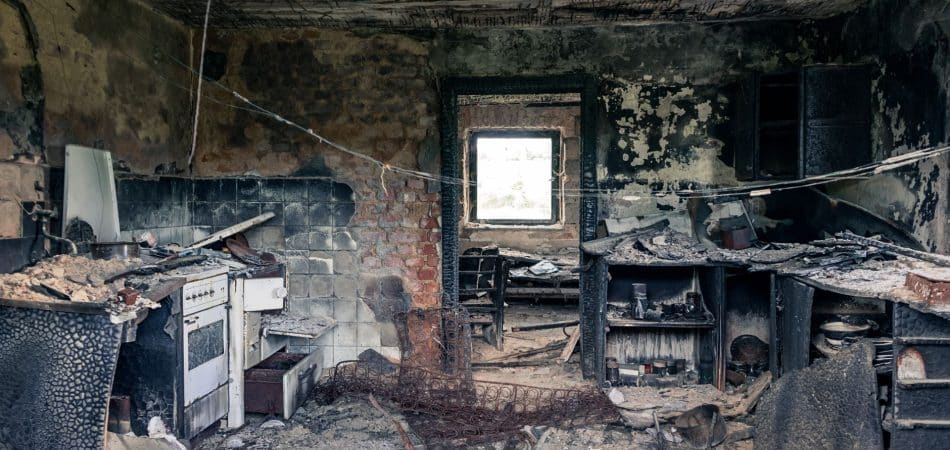
After a structure fire, New Orleans property owners generally need a structural assessment, a permit from the Department of Safety and Permits, an asbestos inspection on buildings built before 1980, and licensed debris removal before rebuilding starts. Emergency demolition applies only when a building is an imminent collapse risk or a public health hazard, and insurance documentation should happen before any debris gets disturbed.
A house fire can gut a building in under twenty minutes, but the cleanup that follows often takes months. Fire damaged building demolition in New Orleans involves more steps than a standard teardown, because fire changes how wood, steel, and masonry behave under stress. A wall that looks intact from the street can be compromised on the inside. Before equipment arrives, the property goes through inspection, documentation, and permitting, in an order that matters for both safety and insurance claims.
TurnKey Demo Team handles fire-damaged demolition and cleanup across the New Orleans area, working alongside insurance adjusters and property owners to get burned structures down safely. If you’re staring at a fire-damaged home or commercial building right now, a quick call can clarify what condition it’s actually in and what comes next.
In the first 48 hours after a fire, secure the property, contact your insurance company, and stay out of the structure until a professional confirms it’s safe. Photograph visible damage from outside, leave utilities off if the fire department shut them down, and wait for a structural assessment before touching debris or salvaging belongings.
The fire department usually red-tags a severely damaged structure on the spot, which means no one should enter until an inspector clears it. Your insurance carrier will want photos, a copy of the fire report, and a list of damaged contents, so start that file early.
Avoid moving debris yourself in this window. Disturbed material can release soot, char particles, and in older homes, asbestos fibers into the air, which turns a cleanup task into a health risk.

Structural engineers assess fire damage by checking how long materials were exposed to heat, since wood chars at a fairly predictable rate that reveals how much strength remains underneath. They inspect load-bearing walls, roof trusses, and foundations for cracking, warping, or spalling before declaring a building safe to enter, repair, or condemn.
Heat exposure weakens materials in ways that aren’t always visible from the outside. A wood stud can look solid on the surface while its interior has charred down to a fraction of its original strength. Steel connectors and nail plates can lose their grip once temperatures climb high enough, even if the metal itself never melted.
Concrete and masonry hold up better than wood framing, but they can still crack or spall from rapid heating and firefighting water. This assessment decides whether a building needs a full teardown or whether selective interior demolition is realistic for the parts that survived, which shapes which permit applies.
New Orleans issues emergency demolition permits only when a building inspector confirms an imminent danger of collapse or a public health nuisance, a situation that comes up often after a major fire. Standard demolition permits go through the usual application and review process, and both paths still require a licensed contractor before work begins.
| Permit Type | When It Applies | What Changes |
|---|---|---|
| Emergency Demolition | Building inspector confirms imminent collapse or public health hazard, commonly post-fire | Site inspection happens quickly once the hazard is verified |
| Standard Demolition | Planned teardown with no immediate safety threat | Full application, documentation, and review timeline applies |
Emergency status doesn’t erase the paperwork. The City of New Orleans Department of Safety and Permits still confirms the hazard in person, and property owners generally benefit from understanding when a demolition permit is required before they assume the fire alone settles the question.
Getting a licensed contractor’s read on a fire-damaged building’s condition is worth doing before committing to a permit path. That read shapes the timeline and what the city expects on the application.

Burned structures often hide weakened floor joists, unstable ceiling framing, and in homes built before 1980, asbestos in insulation, siding, or flooring that becomes more dangerous once it’s charred and airborne. The Louisiana Department of Environmental Quality requires an asbestos inspection before demolition on any pre-1980 structure, fire damage or not.
A fire can hide structural failure behind a wall that still looks upright. Floor joists lose their strength and can give way without warning, and roof framing sometimes collapses hours or days after the flames are out, once the char cools and stops holding its own weight.
Older New Orleans homes carry an added risk. Pier-and-beam houses common in Mid-City and Gentilly often have asbestos pipe insulation in the crawl space, and heat can crack that material apart. Anyone with a pre-1980 structure should review our guide on asbestos and lead abatement before demolition and bring in a hazardous material removal crew first.
Insurance coordination generally means documenting the damage, getting your adjuster’s sign-off, and confirming coverage for demolition and debris removal before the structure comes down, since demolishing too early can complicate a claim. This is general guidance and not legal advice, so confirm the specific requirements with your insurance company directly.
Adjusters typically want to inspect a property before it’s touched, which means demolishing too soon can create disputes over what damage existed before the fire versus after. Ask your carrier in writing whether they need a pre-demolition inspection or a specific report format.
Keeping receipts, photos, and a written scope of work from your contractor helps the claims process move faster. A disaster relief crew familiar with insurance timelines can save weeks of back and forth, though a single-property fire claim moves differently than broader disaster recovery work tied to a citywide storm.
Fire demolition debris includes charred wood, melted materials, ash, and sometimes hazardous residue, all of which need separation, hauling, and disposal at approved facilities rather than a standard landfill drop-off. Salvageable material like brick, concrete, and metal can often be recycled instead of hauled away.
Crews typically sort debris into categories on site. Structural material goes toward recycling, ash and soot go to standard disposal, and anything asbestos-related gets specially licensed hauling and drop-off at a permitted facility.
City code sets a limited window for clearing fire debris from the sidewalk, street, and property once the fire department clears the scene. Leaving charred remains sitting for weeks isn’t an option, and clearing the lot down to a debris-free pad sets up whatever comes next. For owners weighing repair against a full teardown, our piece on tearing down versus renovating a New Orleans home walks through how to make that call after a major loss.
Yes, the City of New Orleans Department of Safety and Permits requires a demolition permit even after a fire has destroyed most of the structure. If a building inspector confirms imminent danger of collapse, the process can move faster as an emergency demolition, but a permit is still required.
New Orleans city code sets a limited window for clearing fire debris from the sidewalk, street, and property once the fire department has cleared the scene. Working with a licensed demolition contractor early helps property owners meet that timeline.
If your home was built before 1980, the Louisiana Department of Environmental Quality requires an asbestos inspection before any demolition, fire-damaged or not. Fire can crack and disturb asbestos-containing material, which makes this step even more important on older houses.
Most insurance carriers want to inspect and document the damage before demolition starts, so check with your adjuster first. Demolishing too soon can complicate a claim if there’s a dispute over damage that happened during the fire versus afterward.
Sometimes. A structural engineer’s assessment determines whether the foundation, load-bearing walls, and roof framing are sound enough for selective interior demolition instead of a full teardown of the property.
Fire demolition addresses damage to a single structure, usually tied to an insurance claim and a Department of Safety and Permits review. Hurricane-related disaster relief work often involves multiple properties across Orleans Parish and coordination with parish or state recovery programs.
Getting through fire damaged building demolition in New Orleans comes down to sequencing: assessment first, permits next, then hazard removal, then debris hauling. Skipping a step usually costs more time than it saves, especially when an older home or an active insurance claim is involved.
TurnKey Demo Team handles that full sequence for property and business owners across the New Orleans area, from the first inspection to the last truckload of debris. Contact TurnKey Demo Team or call (504) 732-9194 to get a clear read on what your fire-damaged building needs next.
 TurnKey Demo Team
  Jul 26, 2026