Residential License # 890459
Commercial License # 3667

Opening Hours 9:00 am to 6:00 pm


Call Us Today!
Residential License # 890459
Commercial License # 3667
Opening Hours 9:00 am to 6:00 pm
Call Us Today!


Even a well-planned demolition project can run into something the original estimate did not account for. A wall that turns out to be load-bearing when it was assumed not to be, a foundation in worse shape than expected, or material buried underground all change the scope of work partway through.
TurnKey Demo Team walks property owners through these situations directly when they come up, rather than proceeding without explanation. If you are preparing for a project and want to understand how scope changes are typically handled, the team’s demolition services page covers the process, or you can call 504-732-9194 with questions specific to your property.
A scope change is any adjustment to the original plan, cost, or timeline caused by conditions discovered once work is underway, such as unexpected structural elements, buried debris, or material requiring special handling. These are different from a property owner deciding partway through to add work, though both are typically handled through the same change order process.
Common triggers include finding a foundation or slab that was not part of the original scope, discovering underground utility lines or old septic systems that need to be addressed before excavation, or uncovering material that requires special handling once a wall or ceiling is opened up. None of these are unusual on older properties, particularly in a city like New Orleans where buildings have often been added onto or modified multiple times over decades.
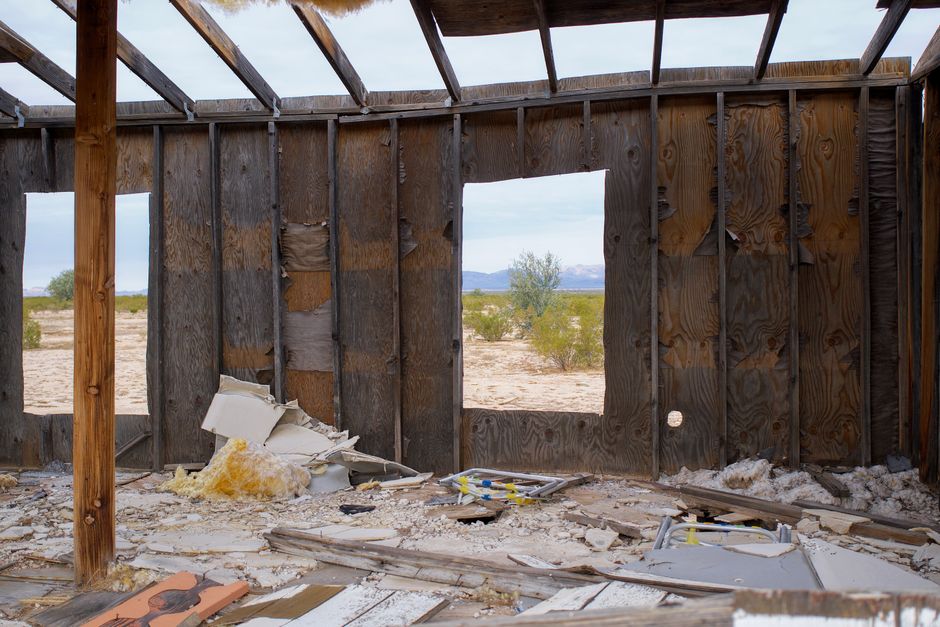
A demolition estimate is based on a visual inspection and the information available before work starts, but some conditions, like buried foundations, structural modifications, or hazardous material, are only discoverable once demolition is underway. This is different from a contractor guessing poorly. It reflects the reality that a building’s history is not always fully visible from the outside.
Older properties are more prone to this than newer construction, since past renovations, additions, or repairs may not be documented anywhere. A previous owner who added a room without pulling a permit, for example, might have built on a foundation type that differs from the rest of the structure, which only becomes clear once the crew starts working in that area.
Properties that have changed hands multiple times carry the most uncertainty, since each owner may have made changes without leaving a record. A structure that looks straightforward from the street can have layers of additions, patched-over openings, or reinforced sections that were never disclosed in any sale paperwork, all of which can surface as scope changes once demolition begins.
When a contractor discovers a condition that changes the scope of work, the standard process is to pause work in that area, document what was found, and present the property owner with a revised cost or timeline before proceeding. This gives the owner a chance to approve the change, ask questions, or discuss alternatives before additional work happens.
A clear change order should explain what was found, why it changes the original plan, and what the revised cost or schedule looks like. Property owners should expect this in writing, even on smaller residential projects, rather than a verbal update that is harder to reference later if a question comes up.

Property owners can reduce the likelihood of major scope changes by sharing any known history of the property, including past renovations, additions, or known issues, with the contractor before work begins. Old permits, renovation records, or even a general sense of when different parts of a structure were built can help a contractor anticipate what might be found once work starts.
It also helps to ask a contractor directly, before signing a contract, how scope changes are typically communicated and what the approval process looks like. A contractor who has a clear answer to this question is more likely to handle a real scope change smoothly if one comes up, rather than leaving a property owner surprised by a bill they were not expecting.
Scope changes that require additional permits, specialized equipment, or coordination with utility providers can extend a project timeline beyond the original estimate, sometimes by several days depending on what is involved. A property owner working around a tight schedule, such as a closing date or a contractor lined up for the next phase of work, should ask early how a potential delay would be communicated.
Not every scope change affects the timeline significantly. Some, like discovering a small amount of buried debris, can be resolved within a day without pushing back the overall schedule. Larger issues, such as unexpected hazardous material requiring specialized abatement, are more likely to add meaningful time, since that work often falls under separate regulatory requirements.
Weather can compound a scope-driven delay as well. A project that already lost a day or two waiting on a revised change order approval has less buffer left if a storm moves through New Orleans during hurricane season, which is worth keeping in mind when planning a project timeline around other deadlines.
Scope changes are a normal part of demolition work on older properties, and a contractor who communicates clearly when they come up makes the process far less stressful than one who does not. Understanding how change orders typically work before a project starts helps property owners know what to expect if their project runs into something unplanned.
The company is licensed for residential (License #890459) and commercial (License #3667) demolition throughout New Orleans and the surrounding parishes, and communicates scope changes directly with property owners as they come up. View the full range of services, or reach out through the contact page to discuss your project.
Have questions about how change orders are handled? Call 504-732-9194 for a free estimate.
A reputable contractor should provide written documentation for any change that affects cost or timeline, even on smaller residential projects. This gives both parties a clear reference point rather than relying on a verbal agreement that can be misremembered later.
In most cases, yes, though the options available depend on what was discovered. If a condition affects safety or code compliance, such as unexpected hazardous material, addressing it is usually not optional. For other changes, a property owner can discuss alternatives with the contractor.
This varies widely depending on what is found and how much additional work is required. A minor issue might add a small amount to the overall cost, while discovering significant structural problems or hazardous material can add considerably more. A detailed change order should break down exactly what the added cost covers.
Not entirely, since some conditions are only visible once demolition is underway. Sharing known property history, past renovation records, and any suspected issues with the contractor before work starts can help reduce the likelihood of major surprises, though it cannot eliminate the possibility.
Ask the contractor to explain in detail what was found and why it requires the proposed change. A contractor confident in their assessment should be able to walk through the reasoning and, where relevant, show photos or documentation of the condition that triggered the change.
A contractor who communicates clearly when conditions change keeps a New Orleans demolition project on track and keeps property owners informed rather than surprised. Understanding how change orders work before a project starts is one of the best ways to avoid stress if something unexpected turns up.
TurnKey Demo Team explains scope changes directly with property owners as soon as they come up, rather than proceeding without a conversation.
Have a project you’d like a clear estimate on? Contact us or call 504-732-9194 for a free estimate.
 TurnKey Demo Team
  Sep 16, 2026