Residential License # 890459
Commercial License # 3667

Opening Hours 9:00 am to 6:00 pm


Call Us Today!
Residential License # 890459
Commercial License # 3667
Opening Hours 9:00 am to 6:00 pm
Call Us Today!

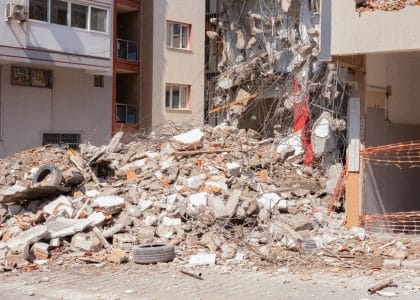
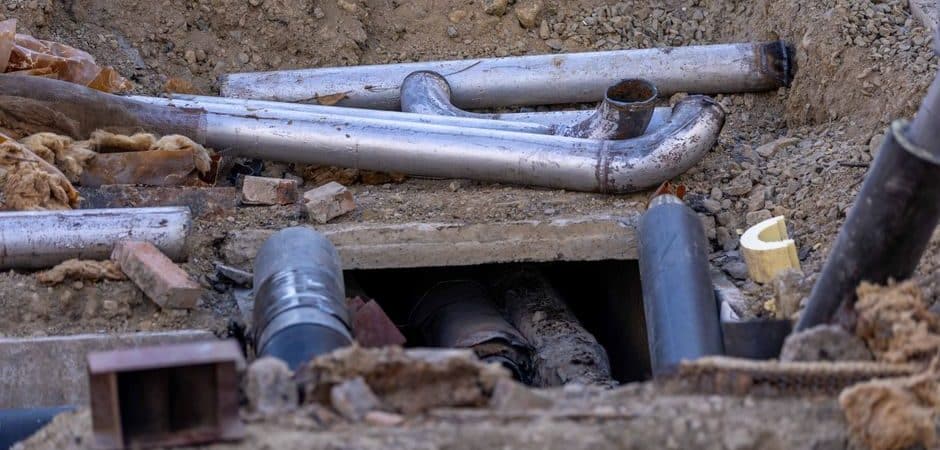
An underground storage tank left behind from a decades-old gas station, dry cleaner, or auto shop is not something that shows up in a typical property inspection. It usually surfaces during demolition, when a crew excavating the site hits something metal that was never on any survey.
TurnKey Demo Team has encountered these situations on commercial demolition projects across New Orleans and knows how to slow down, assess the tank, and coordinate the right next steps rather than pushing forward without a plan. If your property has a history of fuel storage, automotive use, or industrial activity, the excavation page covers how site work is approached, or call 504-732-9194 to discuss your property’s history.
An underground storage tank, often called a UST, is a container buried below grade that historically held fuel, oil, or other petroleum products, and its presence on a property matters because it can leak and contaminate surrounding soil and groundwater over time. Properties that once operated as gas stations, auto repair shops, dry cleaners, or certain industrial facilities are the most likely to have one.
Louisiana regulates USTs through the Department of Environmental Quality, and properties with a known or suspected tank often require testing and, if contamination is found, remediation before or during demolition. This is separate from the standard demolition permit process and can significantly affect a project’s timeline if not identified early.
Not every buried tank held petroleum. Some older properties used underground tanks for heating oil, and certain industrial sites had tanks for other liquids entirely. The regulatory approach differs somewhat depending on what the tank held, which is one reason a proper assessment matters before deciding how to proceed with removal.
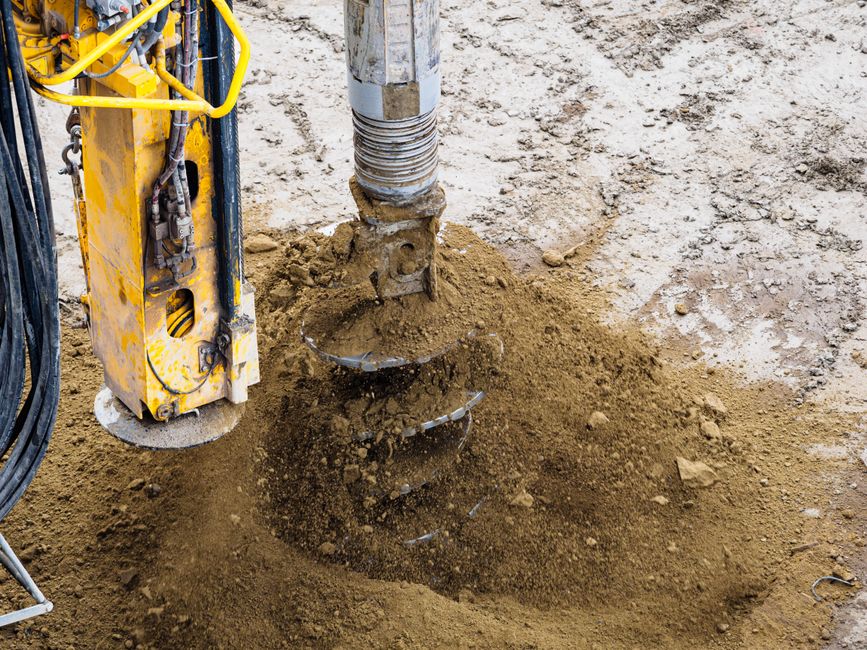
Underground tanks are sometimes identified before demolition through historical property records or a Phase I environmental assessment, but many are only discovered once excavation work is already underway. A property’s past use, even decades ago, can leave a tank in the ground long after the business that installed it closed.
Older commercial properties in New Orleans, particularly along major corridors that once had more gas stations and auto shops than exist today, carry a higher likelihood of an undiscovered tank. A contractor working on a property with any history of fuel-related business benefits from researching that history before demolition begins, rather than being caught off guard mid-project.
City records, old fire insurance maps, and even longtime neighbors can sometimes offer clues about a property’s earlier use that current owners are unaware of. A property that changed use decades ago, from a filling station to a small retail shop, for example, does not always come with a paper trail showing that a tank was ever properly removed.
When a tank is discovered during demolition, work in that area typically stops so the tank can be assessed for contents, condition, and any signs of leakage before removal proceeds. Depending on what is found, this can range from a straightforward empty tank removal to a more involved process requiring soil testing and potential remediation.
A tank still containing fuel or sludge has to be pumped out and cleaned by a licensed service before it can be safely removed. Soil around the tank is typically tested for contamination, and if petroleum has leaked into the surrounding ground, remediation work, removing and replacing contaminated soil, may be required before the site is considered clear.
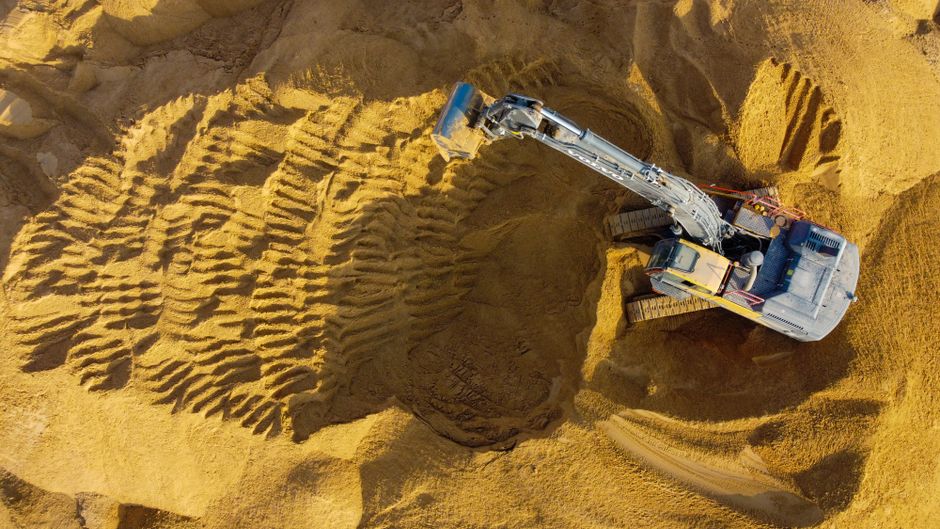
The Louisiana Department of Environmental Quality regulates underground storage tank removal, and property owners are generally required to notify the agency and follow specific closure procedures when a tank is taken out of service. This process exists to document that a tank was removed properly and that any contamination was addressed according to state standards.
A contractor experienced with tank removal understands this notification and closure process and can coordinate with licensed environmental firms when soil testing or remediation is needed. Skipping this regulatory step is not just a compliance risk. It can also create problems later if the property is sold and a buyer’s due diligence process uncovers an undocumented tank removal.
Discovering an underground storage tank almost always extends a demolition timeline, since testing, coordination with environmental specialists, and possible remediation all take time beyond what a standard excavation would require. The added cost depends heavily on whether contamination is present and how extensive any required remediation turns out to be.
An empty, undamaged tank with no signs of leakage is a relatively straightforward removal. A tank with a documented history of leaks, or one found alongside contaminated soil, can turn into a significantly longer and more expensive process. This is one of the clearer examples of why a demolition estimate is based on available information and can change once a project uncovers something like a buried tank.
Underground storage tanks are one of the more disruptive discoveries a demolition project can run into, but they are also a known category of issue with an established regulatory process for handling them. A contractor familiar with that process keeps a property owner informed and moves the project forward as efficiently as the situation allows.
The company is licensed for residential (License #890459) and commercial (License #3667) demolition throughout New Orleans and the surrounding parishes and has handled sites where buried tanks and other underground surprises came up during excavation. View the full list of services, or reach out through the contact page to discuss your property’s history.
Concerned your property might have a buried tank? Call 504-732-9194 for a free estimate.
A Phase I environmental assessment, historical property records, or knowledge of the property’s past use, such as a former gas station or auto shop, are the most reliable ways to identify a potential tank before demolition begins. Otherwise, a tank is often only discovered during excavation.
This depends on the property’s ownership history and any agreements in place, such as insurance coverage or liability tied to a previous owner. Property owners should consult with an environmental attorney or specialist if a significant contamination issue is discovered, since costs can vary widely.
Not necessarily. Work often continues in other areas of the site while the tank is assessed and addressed, though the specific area around the tank typically pauses until testing and removal are complete.
An empty tank with no contamination can sometimes be removed within a day or two once testing confirms it is safe to proceed. A tank requiring remediation for contaminated soil can take considerably longer, depending on the extent of the contamination.
If a tank is discovered and known to exist, Louisiana regulations generally require proper closure procedures regardless of what the property will be used for afterward, since an abandoned tank poses an ongoing environmental risk if left in place.
Knowing a property’s history before demolition begins, and working with a contractor who understands Louisiana’s tank removal requirements, keeps an unexpected discovery from turning into a much longer, more expensive project than it needs to be.
TurnKey Demo Team has handled New Orleans sites where buried tanks and other underground surprises came up during excavation.
Concerned your property might have a buried tank? Contact us or call 504-732-9194 for a free estimate.
 TurnKey Demo Team
  Sep 22, 2026