Residential License # 890459
Commercial License # 3667

Opening Hours 9:00 am to 6:00 pm


Call Us Today!
Residential License # 890459
Commercial License # 3667
Opening Hours 9:00 am to 6:00 pm
Call Us Today!


Common challenges with concrete removal. These typical challenges demand precision, proper equipment, and technical methods. They tackle these with dedicated tools like hydraulic breakers, strict security measures, and green waste control.
At TurnKey Demo Team, we combine experience, high-tech equipment, and green solutions to overcome these challenges with ease. We ensure concrete is brought up fast, safely, and greenly.
 Concrete demolition appears simple, but it is very tricky because of its durability. The removal of reinforced slabs or foundations takes a lot of effort, and even small errors create enormous problems.
Hidden components such as plumbing and electrical connections make it all the more difficult, as their damage incurs extensive repairs.
Structural reinforcement, such as rebar, also needs special equipment and additional manpower. All this calls for extensive planning and site inspection before commencement.
Successful concrete removal depends on specialized equipment, including sledgehammers, jackhammers, and excavation machinery, as well as dust suppression mechanisms to increase safety.
The action is usually dusty and dangerous, and it can be harmful to health and the environment if not controlled.
Do-it-yourself removals tend to neglect suitable disposal processes, resulting in fines and logistical burdens. Professionals recycle or demolish concrete legally, safely, and in a manner that reduces risks to adjacent structures and utilities, saving time and money.
Handling the removal of concrete is an advanced task that demands accuracy, planning, and expert assistance. Every difficulty, be it rebar or weather, needs tailored solutions to facilitate compliance and protection.
Reinforcement makes the concrete more difficult to break down and requires powerful equipment such as hydraulic breakers or diamond saws.
Slabs of over four inches, particularly those reinforced with steel, require special equipment and proper handling so that the surrounding structures are not damaged. Improper removals under unqualified assessment can destabilize foundations, compromising safety and integrity.
Buried utilities are among the greatest hazards of concrete demolition: accidentally striking water, gas, or electrical lines.
These accidents can be financially damaging and injurious. In order to minimize these risks, utility mapping is a requirement before work starts, and calling 811 to have underground utilities marked is an excellent first step. Experts use advanced tools like ground-penetrating radar to accurately identify hidden lines without strikes. This makes demolition more efficient.

Difficulty and tight spots can render it difficult to remove concrete. Heavy machinery, like robotic demolition equipment or mini-excavators, can work well in tight spots and crush concrete.
Bringing heavy equipment into tight spots can require careful planning, including gaining access permission and ensuring that no harm is caused to the environment. Flexibility in adjusting to site conditions is essential for effective work.
Weather can disrupt removal work; rain can lead to softening of soil, and extreme heat is hazardous for laborers.
Dust and noise are also concerns—dust control systems, including water sprays, limit air pollution, and sound barriers ensure regulation compliance. Recycling waste concrete saves the environment and is sustainable.
Concrete waste disposal can be expensive and time-consuming. Recycling the concrete into aggregates is a good way of reducing landfill waste and saving money. Specialists keep to waste disposal rules, reducing the potential for fines and promoting eco-friendliness.
Correct planning and inspection are vital to safe, efficient concrete removal in compliance with regulations. A professional inspection procedure allows for structural stability, environmental protection, and logistical effectiveness.
The first consideration is assessing structural soundness. Take into account the impact that removing concrete could have on surrounding structures, such as adjacent buildings or load-bearing walls.
Demolition close to party walls must be done cautiously to avoid collateral damage, causing costly repairs or litigation. Our company employs accurate methods, like wire saws or hydraulic splitters, to safeguard neighboring structures. Engineering capability is crucial for synchronizing the removal plan with the structure of the building and the pattern of loading.
Old concrete poses environmental dangers, such as asbestos or lead contamination. Inadequate disposal may cause harm to ecosystems or be illegal in a given area. For instance, concrete dust may pollute water or soil.
We strive to control noise and dust with water sprays and noise barriers, particularly in residential or high-density areas. Planning and removing waste—be it recycling rubble or sending materials to approved landfills—reduces our footprint on the environment while meeting regulations.
Concrete demolition involves the proper sequencing of equipment, labor, and timetables. We obtain permits in advance to prevent holdups. Our procedure includes keeping disruptions to the neighborhood, traffic, or noise at rush hours to a bare minimum. We also create contingency plans for equipment breakdowns or weather-related holds, which keep projects on track.
Removal of concrete requires accuracy, efficiency, and proper equipment to address its complexities. Our professionals use advanced equipment and techniques to execute work safely and quickly with minimal disturbance.
Mechanical methods offer versatility for different concrete removal requirements. Sledgehammers and jackhammers are common by-hand choices, with jackhammers demolishing 3-inch sidewalks in approximately 2 minutes per square foot, whereas sledgehammers take triple the amount of time. Though ideal for small work, they are time-consuming.
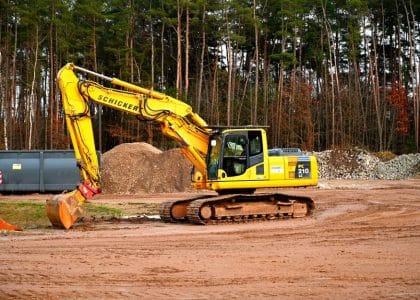
Heavy machinery such as excavators is required for large jobs, employing breakers or crushers to tear down heavy structures. Robotic equipment can also be used for confined areas, operated remotely for improved safety and precision.
 Hydraulics play a vital role in contemporary concrete demolition. Hydraulic breakers effectively cut through heavy slabs, and crushers apply tremendous pressure to strip concrete from rebar in reinforcing structures.
Hydraulic saws facilitate clean, precise cuts for selective demolition without harming surrounding areas; adequate training is essential for safe handling.
Sophisticated cutting equipment is revolutionizing accuracy in concrete demolition.
Diamond saws provide unparalleled precision, leading to clean cuts and less dust. Wire saws are great for slicing large areas, such as bridge piers or large walls. Accuracy cutting saves surrounding structures and produces clean results, even in intricate work.
Concrete demolition can be intimidating without experience. We know the issues, from concealed reinforcements to small areas and unforeseen dangers. That’s why we trust tried-and-true methods, experienced crews, and cutting-edge equipment to safely and effectively remove concrete with reduced risks, downtime, and expense.
Each job, from a driveway to an industrial slab, is handled with caution and expertise. We’ll take care of the heavy lifting so you can see your next steps through. Call us today at TurnKey Demo Team to talk about your project; we’ll convert obstacles into opportunities.
 TurnKey Demo Team
  Oct 31, 2025