Residential License # 890459
Commercial License # 3667

Opening Hours 9:00 am to 6:00 pm


Call Us Today!
Residential License # 890459
Commercial License # 3667
Opening Hours 9:00 am to 6:00 pm
Call Us Today!

Not everything pulled from a building during demolition ends up in a landfill. Steel beams, copper piping, aluminum siding, and even the concrete slab underneath a structure often have a second life once a crew separates them from the rest of the debris.
TurnKey Demo Team recycles materials whenever possible as part of its standard process on New Orleans projects, rather than treating recycling as an optional add-on. If you are weighing contractors for an upcoming teardown and want to know what happens to the material once it leaves your property, the team’s debris removal page outlines the process, or you can call 504-732-9194 with specific questions about your site.
Steel, copper, aluminum, and concrete are the four materials most commonly recovered and recycled from a demolition project, since each has established resale or reuse markets. Structural steel beams and rebar go to scrap metal recyclers, copper wiring and pipe are pulled separately because of their higher value, and concrete is crushed on-site or hauled to a facility where it becomes aggregate for new construction.
Wood framing, brick, and asphalt shingles can sometimes be recovered too, though the condition of the material and local market demand determine whether recycling or standard disposal makes more sense. A structure with significant fire or water damage often yields less recoverable material than a sound building being torn down for redevelopment.
The type of project also affects how much can realistically be recovered. A commercial building with structural steel framing typically yields far more scrap value than a wood-frame residential home, simply because there is more metal present. Older buildings sometimes contain cast iron plumbing or older-style wiring that adds to the recoverable metal total, while more recently built structures may have less metal overall relative to their size.
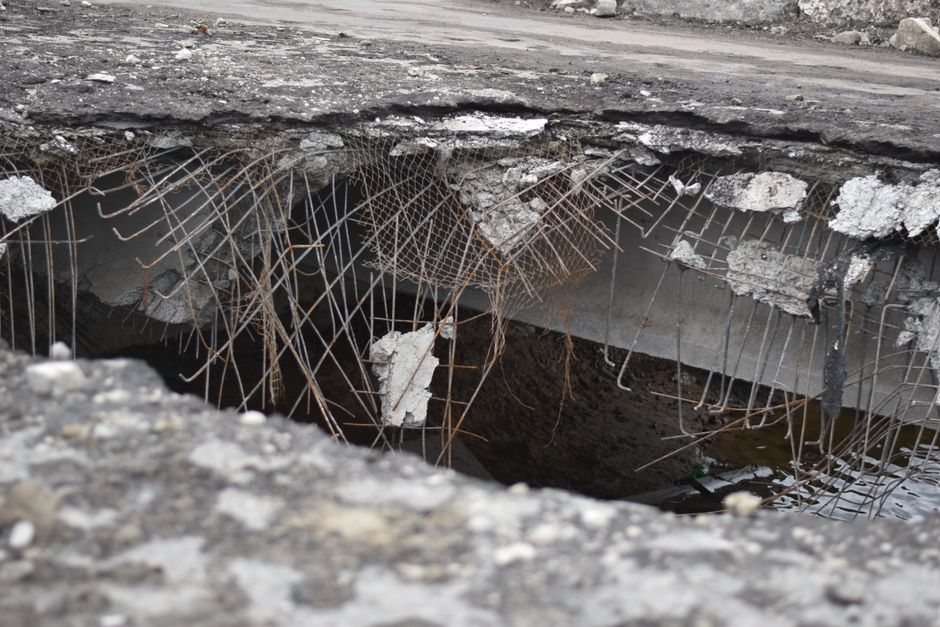
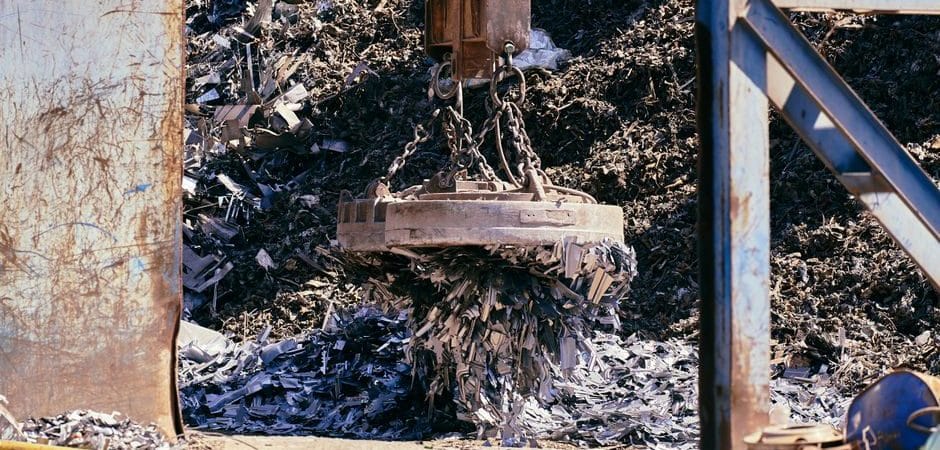
Scrap metal has clear resale value, so crews typically pull steel, copper, and aluminum out of the debris pile before the rest of the structure is hauled away. This sorting happens throughout the demolition, not just at the end, since metal embedded in walls or flooring becomes harder to recover once it is buried under other debris.
Copper in particular is worth separating carefully. Electrical wiring, plumbing lines, and HVAC components often contain recoverable copper that has meaningfully higher scrap value than the steel or aluminum found elsewhere on a site. A crew experienced in this process knows where copper typically runs in a residential or commercial structure and plans extraction accordingly.
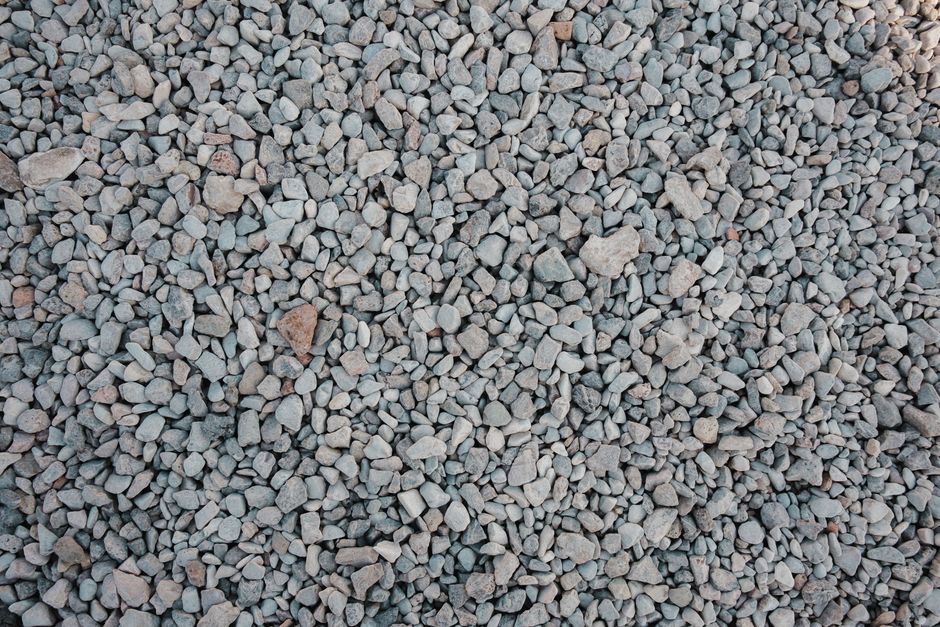
Concrete demolished from a slab, driveway, or foundation is often crushed into smaller pieces and screened to remove rebar and debris, producing an aggregate material that can be reused as fill or base material for new construction. This process, sometimes done with a portable crusher brought to the site, reduces the volume of material that has to be hauled to a landfill.
Not every project has the volume or access to justify on-site crushing. Smaller residential jobs may send concrete to an off-site recycling facility instead, where it gets processed alongside material from other projects. Either way, the outcome is the same: concrete that would otherwise take up landfill space becomes material for a future project.
Site access plays a role here too. A property with room for a portable crusher to operate safely away from the street and neighboring structures is a better candidate for on-site processing than a tight urban lot where the equipment simply will not fit. On those tighter sites, hauling concrete off-site for processing is usually the more practical choice, even though it adds truck trips to the project.
Recycling generally does not add cost to a demolition project, since scrap metal recovery can offset disposal expenses and many recycling facilities charge less than landfill tipping fees for concrete and clean debris. In some cases, recovered scrap metal has enough resale value to reduce the overall project cost slightly.
The bigger cost factor is usually the condition and composition of the structure rather than whether recycling is part of the plan. A building with hazardous materials present, such as older insulation or coatings that require special handling, changes the disposal process regardless of what gets recycled. TurnKey Demo Team’s hazardous material removal page covers how that separate process works.
Property owners can reasonably ask a contractor which materials will be recycled, where concrete and metal are being taken, and whether the crew separates materials on-site or hauls mixed debris to a sorting facility. These questions help clarify whether recycling is a genuine part of the process or an afterthought mentioned only in marketing material.
A contractor who separates materials on-site, rather than sending everything to a single landfill load, is generally taking recycling seriously as part of daily operations. This also tends to correlate with a cleaner job site, since sorted debris piles are easier to manage than a single mixed pile waiting for disposal.
It also helps to ask how recycling decisions get made when materials are damaged or contaminated. Debris mixed with hazardous material, for instance, cannot simply be sorted and recycled the way clean scrap metal can. A contractor who explains that distinction clearly, rather than glossing over it, is usually giving an accurate picture of what will actually happen to the material from your specific project.
Recycling does not change the core goal of a demolition project, which is clearing a site safely and on schedule. But it does affect what happens to the material once it leaves the property, and for many owners, particularly those working on redevelopment or historic properties, that matters. A contractor who plans for material recovery from the start typically handles the rest of the project with the same level of organization.
The company is licensed for residential (License #890459) and commercial (License #3667) demolition throughout New Orleans and the surrounding parishes, and recycles materials whenever the project allows for it. Learn more about the full lineup of services, or visit the contact page to discuss your project.
Have questions about how your project’s materials will be handled? Call 504-732-9194 for a free estimate.
Not typically. Sorting metal and concrete happens alongside the demolition work itself rather than as a separate step afterward, so it rarely adds meaningful time to a project timeline. Crews that recycle regularly build the sorting process into their normal workflow.
That depends on the arrangement with your contractor and what you want to keep. Property owners interested in salvaging specific materials, such as reclaimed wood or fixtures, should raise that early in planning, since it affects how the crew approaches removal of those items.
Wood framing may be recycled or repurposed depending on its condition and local market demand, but it is more often processed as standard construction debris. Structures with usable framing lumber sometimes go through deconstruction instead of standard demolition to recover more material.
Recycled concrete aggregate is commonly used as fill or base material under driveways, parking areas, and some foundations, where it performs well. It is not typically used as a direct substitute for structural concrete in load-bearing applications.
Ask directly where scrap metal and concrete are being taken and whether the crew separates materials on-site. A contractor who can answer specifically, rather than giving a general answer about being environmentally conscious, is more likely to have a real recycling process in place.
Sorting metal and concrete during demolition, rather than sending everything to a single landfill load, keeps material out of the waste stream and can help offset project costs. It also tends to come with a cleaner, better-organized job site from start to finish.
TurnKey Demo Team recycles materials whenever a New Orleans project allows for it, as a standard part of how the crew works.
Want to know what will happen to your project’s materials? Contact us or call 504-732-9194 for a free estimate.
 TurnKey Demo Team
  Sep 12, 2026