Residential License # 890459
Commercial License # 3667

Opening Hours 9:00 am to 6:00 pm


Call Us Today!
Residential License # 890459
Commercial License # 3667
Opening Hours 9:00 am to 6:00 pm
Call Us Today!

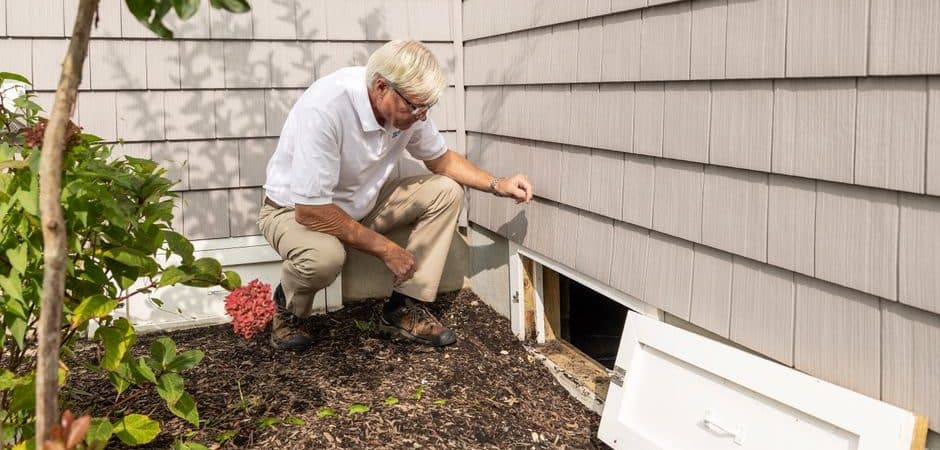
Before a single wall comes down, a demolition crew that knows what it is doing spends time documenting what the property, and the properties around it, look like. That record becomes important if a dispute comes up later over damage that may or may not have existed before the project started.
TurnKey Demo Team builds documentation into its process on every project across New Orleans, particularly on sites in tight neighborhoods with structures close together. To see how this fits into a full project timeline, visit the demolition services page, or call 504-732-9194 to talk through a specific property.
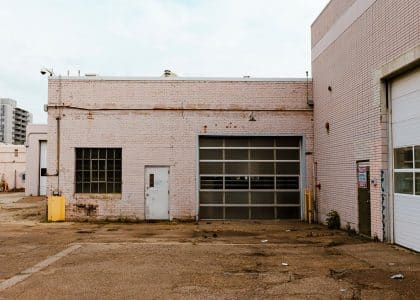
Pre-demolition documentation typically means dated photos and notes covering the structure itself, adjacent properties, shared fences or walls, sidewalks, and any existing cracks or damage visible before work begins. This creates a record showing the condition of everything around the job site before equipment ever arrives.
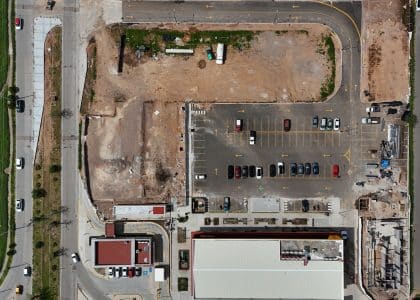
A thorough walk-through photographs the front, sides, and rear of the property along with any neighboring structures close enough to potentially be affected by vibration or debris. Utility locate markings, drainage patterns, and existing landscaping near property lines are often included as well, since these details can matter if a claim comes up during or after the project.
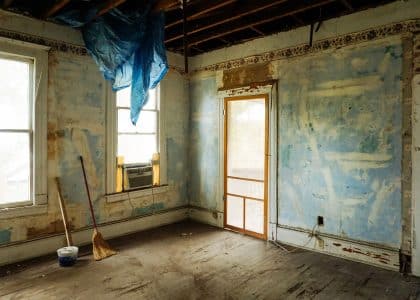
Interior documentation matters too, particularly on projects where only part of a structure is coming down or where adjacent units share a wall. Photos of existing interior finishes, visible cracks in shared walls, and the condition of fixtures that will remain in place give a clear record of what existed before crews started work. This is especially relevant on interior demolition or partial teardown projects where most of the building stays standing.
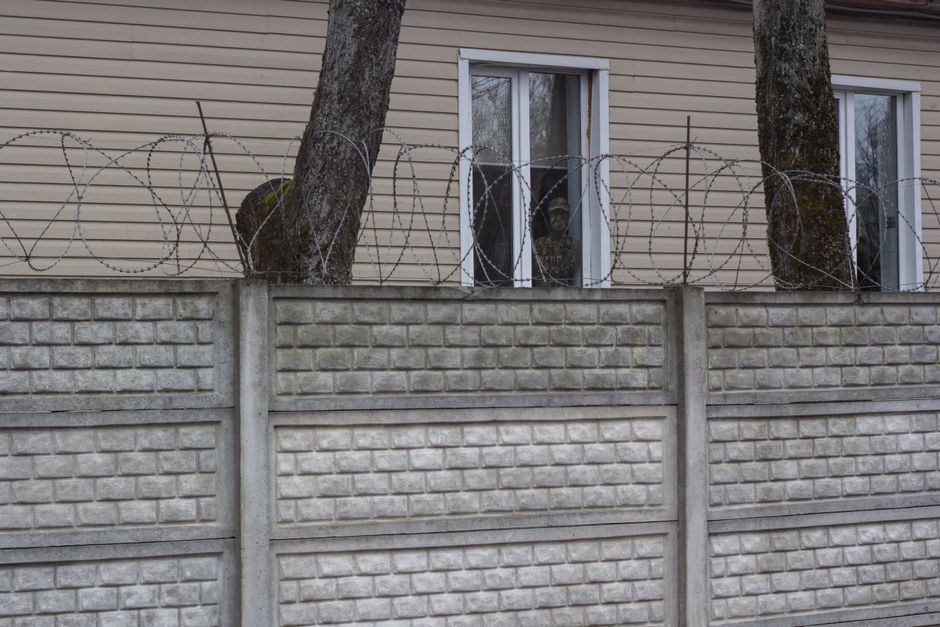
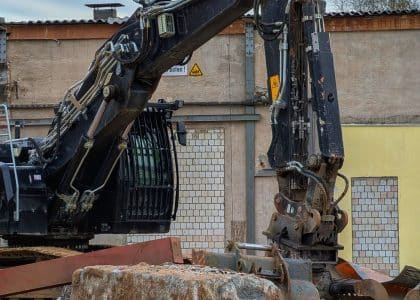
Properties with structures close together, common in older New Orleans neighborhoods, carry a higher risk of disputes over pre-existing damage, which makes documentation more important on these sites than on a rural property with more distance between structures. Vibration from heavy equipment, dust, and material handling can be blamed for cracks or settling that existed long before the project started.
Without a documented baseline, it becomes a matter of one party’s word against another’s if a neighbor raises a concern partway through or after a project. A dated photo record settles that question quickly and protects both the property owner and the contractor from an unfounded claim.
Property owners, contractors, and sometimes insurance companies all have a stake in pre-demolition documentation, particularly on projects near shared property lines or historic structures where damage claims are more common. Owners benefit from having a record that protects them from liability for pre-existing conditions on neighboring properties, and contractors benefit from the same protection against claims unrelated to their work.
On some projects, particularly larger commercial jobs, a formal pre-construction survey may be requested by an insurer or lender as a condition of coverage or financing. These surveys go beyond photos and can include a written condition report prepared by a third party, though most residential and smaller commercial projects rely on the contractor’s own documentation process.
General contractors and developers working on redevelopment projects also rely on this documentation when coordinating with future construction crews. A clear photo record of existing conditions, utility locations, and site boundaries gives whoever picks up the project after demolition a starting reference point, rather than having to reconstruct that information from scratch once the structure is already gone.

When a documented before-and-after record exists, a damage claim can usually be resolved quickly by comparing the two, since either the damage was present before work started or it clearly was not. This is one of the more practical reasons documentation matters even on projects where no dispute is expected.
Claims can surface weeks or months after a project wraps, sometimes when a homeowner notices a crack while doing unrelated work and assumes it happened during nearby demolition. Having dated, time-stamped photos on file gives a contractor and property owner something concrete to point to rather than relying on memory or assumption about when damage actually occurred.
Property owners can ask their contractor directly whether a documentation process is part of standard practice, and whether photos or records will be shared with them before demolition starts. A contractor who documents routinely should be able to answer this without hesitation and explain what the process involves.
It is also reasonable to ask whether neighboring property owners are being notified or included in the documentation process, particularly on lots where structures sit close together. Some contractors proactively reach out to adjacent property owners before work begins, both as a courtesy and as a way to head off concerns before they become disputes.
Property owners can also request a copy of the documentation for their own records once it is gathered. Having a set of dated photos on hand gives an owner something to reference independently if a question comes up months later, rather than relying entirely on the contractor’s files.
Documentation does not prevent every issue that can come up during a demolition project, but it removes ambiguity when questions do arise. A contractor who treats this step as routine, rather than skipping it to save time, is generally more organized about the rest of the project as well.
The company is licensed for residential (License #890459) and commercial (License #3667) demolition across New Orleans and the surrounding parishes, and documents job sites as a standard part of project planning. Browse the full list of services, or reach out through the contact page with questions about an upcoming project.
Want to know how documentation fits into your project’s timeline? Call 504-732-9194 for a free estimate.
Not usually. Most residential and smaller commercial projects rely on the contractor’s own photo and note-taking process. A formal third-party survey is more common on larger commercial projects or when an insurer or lender specifically requires one as a condition of coverage.
There is no universal rule, but keeping records for at least a year after project completion is a reasonable practice, since disputes can surface well after work wraps. Some contractors keep documentation on file indefinitely as part of their standard project records.
Documentation typically focuses on what is visible from the property line or public right-of-way, which does not require entering a neighbor’s property. A contractor can usually capture enough of the shared boundary and visible structure without needing direct access to adjacent land.
Most contractors who document routinely include it as part of standard project planning rather than charging a separate fee. It is worth confirming this directly when getting a quote, since practices vary by contractor.
In some cases, photos and site notes gathered during pre-demolition documentation can support permit applications or historic district reviews that require evidence of a structure’s existing condition. This is worth raising with your contractor if your property falls under additional regulatory review.
Dated photos and site records give property owners and contractors a clear reference point if a question about pre-existing damage ever comes up. Building this step into a project from the start removes ambiguity later and keeps a New Orleans demolition project running smoothly.
TurnKey Demo Team documents job sites as a standard part of planning every project it takes on.
Want to know how documentation fits into your project? Contact us or call 504-732-9194 for a free estimate.
 TurnKey Demo Team
  Sep 14, 2026