Residential License # 890459
Commercial License # 3667

Opening Hours 9:00 am to 6:00 pm


Call Us Today!
Residential License # 890459
Commercial License # 3667
Opening Hours 9:00 am to 6:00 pm
Call Us Today!

Getting a demolition crew and heavy machinery onto a property sounds simple until the property sits on a narrow New Orleans street with no alley access. Moving an excavator, a skid steer, and a string of haul trucks into position takes planning that starts days before the first swing of the boom.
TurnKey Demo Team handles that planning as part of every project it takes on. The company works throughout New Orleans and the surrounding parishes, and its crews are familiar with the access challenges that come with older neighborhoods, narrow lots, and streets that were never designed for oversized trucks. If you are planning a project and want to understand what happens before demolition day, the team’s demolition services page is a good starting point, or you can call 504-732-9194 to talk through your site.
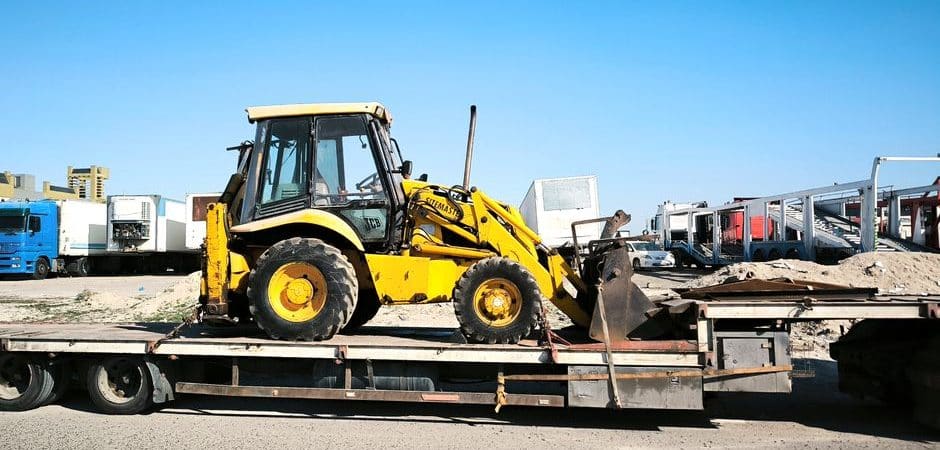
Equipment transport means moving excavators, loaders, and haul trucks from a staging yard to the job site, usually on lowboy trailers, then positioning them where they can work safely. A single demolition project might require two or three pieces of heavy equipment plus a rotation of dump trucks hauling debris away. Each machine has to be loaded, driven, unloaded, and parked in a spot that does not block neighbors, fire lanes, or drainage.
In a city like New Orleans, that last part matters more than people expect. Streets in older neighborhoods are often one lane in each direction with parking on both sides, leaving little room for a trailer to maneuver. Crews frequently have to time deliveries around school buses, garbage pickup, or events that close nearby streets.
Timing also depends on the size of the project. A single-lot residential teardown might need one lowboy delivery and a handful of dump truck runs spread over a few days. A larger commercial or industrial site can require multiple pieces of equipment staged in sequence, with excavators arriving first and loaders or compactors brought in later once the bulk of the structure is down. Sequencing equipment this way keeps the site from becoming congested with idle machinery that has nowhere to sit.

A site visit before mobilization tells the crew whether trucks can reach the property directly or need a different route, and whether a street or lane closure permit is required. Skipping this step risks a truck getting stuck, blocking a street, or damaging curbs and utility covers that were not accounted for.
During the site visit, the team checks overhead clearance for power lines, measures gate and driveway widths, and looks for soft ground that could bog down a loaded trailer. On corner lots or properties near intersections, sightline rules can also affect where a trailer is allowed to park while unloading.
Yes, in most cases. New Orleans and the surrounding parishes require a right-of-way or obstruction permit before equipment, dumpsters, or trailers can occupy street space, separate from any demolition permit for the structure itself. These permits typically specify how long equipment can sit in the right-of-way and whether cones, barricades, or a flagger are required.
Property owners sometimes assume the demolition permit covers everything, but street obstruction is regulated separately by the local department of public works. A contractor who handles this piece routinely avoids the delay of applying for it mid-project, which can push back a start date by days.

Staging is the spot where equipment, materials, and debris containers sit during the project, and on a small urban lot it often has to double as the access route. Crews look at where the excavator can reach every part of the structure without repositioning constantly, where a dumpster or roll-off can sit without blocking a driveway, and where trucks can turn around without backing onto a public street.
On properties with alley access, staging is easier because trucks can load and unload away from the main street. Where no alley exists, the crew may need to schedule truck pickups at specific times to avoid having multiple vehicles waiting curbside at once. Neighbors also factor into this planning, since a poorly placed staging area can block a driveway or mailbox access for the length of the project.
When a lot cannot be reached by a standard haul truck, crews sometimes use smaller equipment to break down material inside the site before hauling it out through a narrower path, or bring in a compact excavator that fits through a standard gate. This adds time to a project but keeps it moving without damaging adjacent property.
Rear lots, properties behind another structure, and lots with mature trees close to the buildable area are the most common cases where this comes up. A contractor who has worked across New Orleans, Metairie, and the north shore parishes has usually run into these layouts before and can plan equipment size around them rather than discovering the problem on demolition day.
Utility lines add another layer of complexity to tight-access sites. A property with overhead service drops running from the street to the structure often needs those lines addressed before equipment can safely maneuver underneath them. Coordinating a temporary disconnect, and confirming the timeline with the utility provider, is something an experienced crew factors into the schedule rather than treating as a surprise once equipment is already on site.
Heavy rain and New Orleans’ naturally soft, high-water-table soil can turn a straightforward staging plan into a problem overnight, since loaded trailers and haul trucks need firm ground to avoid getting stuck. Crews watch the forecast leading into mobilization day and may adjust equipment routes or delay a delivery if the ground has not had time to firm up.
On sites where soft ground is a known issue, crews sometimes lay temporary matting or gravel to create a stable path for equipment. This is a small added step, but skipping it can mean a stuck truck blocking a street for hours while a tow or a second machine gets called in to free it. Planning for ground conditions alongside street access is part of what keeps a demolition project moving on the schedule the property owner was given.
Property owners rarely think about equipment logistics until it becomes a problem, but a contractor who plans transport and access before the job starts keeps a project on schedule and keeps the street usable for neighbors in the meantime. TurnKey Demo Team walks every site before mobilizing equipment specifically to catch these issues early.
The company is licensed for both residential (License #890459) and commercial (License #3667) demolition work across New Orleans and the surrounding areas. Explore the full range of services offered, or reach out through the contact page to schedule a site visit.
Ready to plan equipment access for your project? Call 504-732-9194 for a free estimate.
In most New Orleans-area jurisdictions, yes. A right-of-way or obstruction permit covers equipment, dumpsters, or trailers occupying street space and is issued separately from the demolition permit for the structure itself. A contractor familiar with local requirements typically handles this application as part of project planning.
Crews measure gate widths, driveway clearance, and overhead obstructions like power lines during a pre-mobilization site visit. If a standard excavator cannot fit through existing access points, a compact model or a different equipment mix is planned instead, which is decided before demolition day rather than on site.
Crews may break material down with smaller equipment inside the site and move it through a narrower access path, or schedule truck pickups at specific times to manage a limited staging area. This is common on rear lots and older New Orleans properties with restricted access.
That depends on the permit issued and local ordinance. Some jurisdictions limit how long equipment can occupy a right-of-way, which is one reason a pre-project site visit and permit application matter before equipment arrives.
Planning typically starts as soon as a demolition permit application is underway, since street obstruction permits and route planning can take time to process. Coordinating this early helps avoid delays once the crew and equipment are ready to mobilize.
A project that accounts for equipment transport and street access from the beginning avoids stuck trucks, blocked streets, and permit delays that can push back a start date by days. Planning this piece early keeps the rest of the project on schedule and keeps the street usable for neighbors throughout the job.
TurnKey Demo Team walks every New Orleans-area site before mobilizing equipment, so access issues get caught before demolition day rather than during it.
Ready to plan equipment access for your project? Contact us or call 504-732-9194 for a free estimate.
 TurnKey Demo Team
  Sep 10, 2026