Residential License # 890459
Commercial License # 3667

Opening Hours 9:00 am to 6:00 pm


Call Us Today!
Residential License # 890459
Commercial License # 3667
Opening Hours 9:00 am to 6:00 pm
Call Us Today!

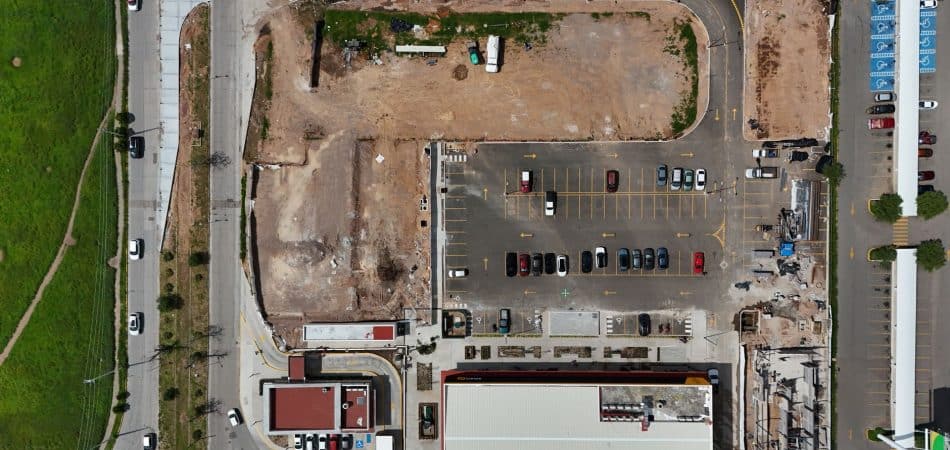
Site remediation is the process of clearing contaminated soil, debris, and unstable ground from a demolished lot so it can be graded, drained, and legally reused. In New Orleans, it typically means soil testing, contaminant removal or containment, compaction, and drainage work that meets city and state standards. A lot is not build-ready or sale-ready until that work is documented and approved.
Tearing down a building is only half the job. Once the structure is gone, what’s left behind, cracked concrete, disturbed soil, old fill dirt, buried debris, has to be dealt with before anyone can build, sell, or safely walk the lot. That is where site remediation New Orleans property owners rely on comes in. It is the bridge between demolition day and a lot that is actually ready for its next chapter, whether that means new construction, a sale, or simply meeting city code.
At TurnKey Demo Team, site remediation is the last step of every teardown project, handled with the same license and insurance backing as the demolition itself. If a property has contaminated soil, drainage problems, or an unstable lot after a structure comes down, a quick call can get you a free estimate on what it takes to make the site usable again.
Site remediation is the work that turns a demolished lot into a safe, usable piece of property. It covers testing and removing contaminated soil, regrading uneven ground, stabilizing loose fill, and fixing drainage so water doesn’t pool or run onto a neighbor’s yard. Skip this step and a cleared lot can still fail a building permit review or a bank appraisal.
A demolished building leaves more behind than most owners expect. Old foundations, cracked slabs, buried utility lines, and years of fill dirt can hide problems that only surface once someone tries to build or sell. Site remediation catches those issues before a permit gets denied.
New Orleans adds extra weight to this step because of the region’s soil and drainage conditions. Low elevation, heavy rainfall, and decades of mixed industrial and residential use on the same land mean a lot can look clean on the surface and still need work underneath. The site remediation process addresses exactly that gap.

Contaminated soil gets tested first. Crews then either remove it and haul it to an approved disposal site, or treat and contain it in place, depending on what’s found and how deep it runs. Common contaminants on older New Orleans lots include lead, petroleum residue from old tanks, and heavy metals left from decades of industrial or residential use. Louisiana’s Department of Environmental Quality reviews and approves this work through its Voluntary Remediation Program.
Testing usually starts with soil borings or surface sampling spread across the lot. Lab results show how deep contamination runs and what it’s made of, which decides whether soil gets excavated, capped, or treated in place. Lots that once held pools, covered in our pool demolition guide, often raise a similar backfill question once old plaster and shell fill come out.
| Contaminant Found | Typical Source | How It’s Handled |
|---|---|---|
| Lead | Old paint residue, historic fill dirt | Excavated and hauled off-site |
| Petroleum or oil residue | Former fuel tanks, old auto repair sites | Soil removal or vapor treatment |
| Heavy metals (arsenic, PAHs) | Industrial fill, ash, older dump sites | Excavated to depth, replaced with clean fill |
| Leftover debris | Prior demolition, buried foundations | Sorted, hauled off, or recycled |
Louisiana’s Risk Evaluation/Corrective Action Program, known as RECAP, gives LDEQ a framework that matches cleanup depth to how a site will actually be used next. A future park is not held to the same standard as a future warehouse, which keeps remediation costs realistic for the property’s real purpose.
Grading and stabilization reshape and compact a lot so water drains correctly and the ground can support new construction or regular foot traffic. Crews clear remaining debris, regrade low spots, compact fill soil in layers, and check the surface against city drainage rules before calling a lot finished. Skipping this step is a common reason a New Orleans lot fails inspection later.
This work overlaps closely with excavation services, since grading and compaction both call for the right equipment and a crew that understands New Orleans clay and fill soil. Lots that combine overgrown vegetation with a demolished structure often need the ground-up prep covered in our land clearing guide before grading even starts.
A quick estimate call can settle whether a lot needs full remediation or just grading and cleanup before the next phase begins.

Drainage planning matters because New Orleans sits low, drains slowly, and floods easily when a lot doesn’t shed water the right way. The city requires larger redevelopment projects to retain or filter the first 1.25 inches of stormwater runoff on-site before it reaches the public drainage system. A remediated lot that ignores this can end up with standing water, erosion, or a code violation before anything gets built.
These rules apply once a redevelopment crosses certain size thresholds, though even smaller residential lots benefit from grading that pushes water toward the street instead of a neighbor’s yard. Crews typically shape the lot so runoff flows toward approved drainage points instead of pooling in the middle.
Owners weighing what to do with a cleared lot, rebuild or sell, often compare that against the option covered in Tear Down vs. Renovate, since drainage and remediation costs factor into either path.
A lot is build-ready once remediation work is documented, drainage meets city standards, and soil compaction has been tested and approved. It’s sale-ready when those same records exist for a buyer, appraiser, or title company to review. Missing paperwork causes more delays at closing or permitting than the actual dirt work ever does.
Land clearing removes vegetation, trees, and surface debris to open up a lot. Site remediation deals with what’s underground, contaminated soil, old fill, and drainage problems. Properties near older industrial corridors in New Orleans often need both steps together.
LDEQ gets involved when soil testing turns up contamination that needs documented cleanup, most often through its Voluntary Remediation Program. Not every demolition site triggers LDEQ review, but a property with a history of tanks or industrial use usually does.
Timeline depends on what testing finds on the lot. Grading and drainage work alone can finish in days, while documented soil removal and LDEQ sign-off can take several weeks. The former Booker T. Washington High School site needed months of soil work before its replacement building opened in 2019.
Yes, but disclosure and documentation matter to buyers, lenders, and title companies. A Certificate of Completion from LDEQ’s Voluntary Remediation Program gives future owners protection from liability tied to past contamination.
RECAP, Louisiana’s Risk Evaluation/Corrective Action Program, is the framework LDEQ uses to match cleanup requirements to how a site will be used next. A lot headed for a warehouse faces different standards than one headed for a residential yard.
No, that work happens before demolition and is handled separately as hazardous material abatement. Site remediation picks up after the building is down and focuses on the ground itself, including soil, grading, and drainage.
A remediated lot saves time later, whether that means a faster permit approval, a cleaner appraisal, or one less argument with a buyer’s inspector. Getting soil, grading, and drainage handled right after demolition means the next phase doesn’t stall on paperwork or standing water.
TurnKey Demo Team handles site remediation as part of full demolition projects across New Orleans, Metairie, and the surrounding parishes, backed by Louisiana residential and commercial licensing.
Reach out through our contact page or call (504) 732-9194 for a free estimate on what your lot needs before it’s ready for its next use.
 TurnKey Demo Team
  Jul 20, 2026