Residential License # 890459
Commercial License # 3667

Opening Hours 9:00 am to 6:00 pm


Call Us Today!
Residential License # 890459
Commercial License # 3667
Opening Hours 9:00 am to 6:00 pm
Call Us Today!

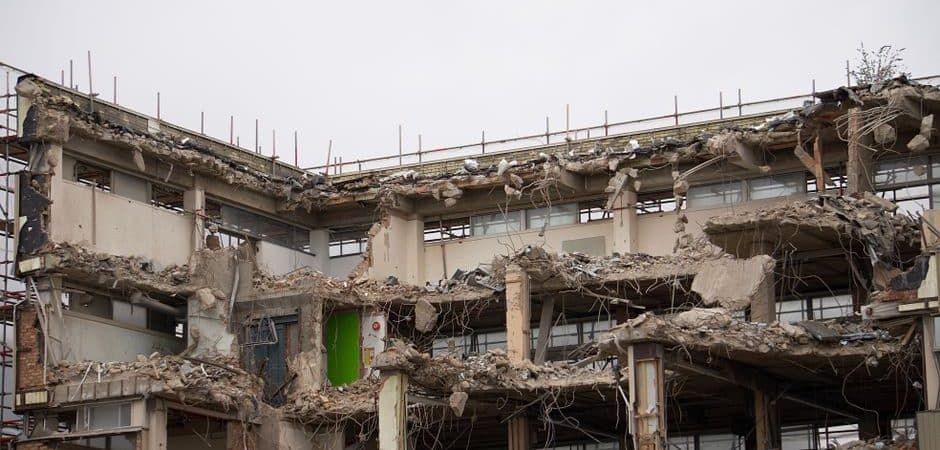
An apartment building or multi-unit rental property carries a different set of considerations than a single-family home when it comes time to demolish it. Multiple units, shared systems, and often multiple tenants mean a project has to account for more moving parts before the first section comes down.
TurnKey Demo Team has worked on multifamily and multi-unit demolition projects throughout New Orleans, coordinating the additional steps these properties require. If you own a duplex, apartment complex, or other multi-unit rental property and are planning a teardown, the residential demolition page covers the general process, or call 504-732-9194 to discuss your specific property.
A multifamily property involves multiple units, often with shared walls, shared utility connections, and sometimes multiple owners or tenants, all of which add coordination steps a single-family demolition does not require. A fourplex or apartment building cannot simply be treated as a larger version of a single house.
Shared structural elements are a particular consideration. In a building where units share load-bearing walls, demolishing one section without affecting the stability of adjacent, still-standing sections requires more planning than a standalone structure where the whole building comes down at once.
Parking, common areas, and any shared amenities on the property also factor into project planning. A larger apartment complex might include a shared laundry facility, mailroom, or parking structure that needs to be addressed as part of the overall demolition scope, rather than treated as an afterthought once the residential units are down.
If a multifamily property still has occupied units, all tenants generally need to be relocated and their leases properly terminated before demolition can begin, since Louisiana law protects tenant rights even when a property owner intends to redevelop. This step happens well before a demolition contractor is involved in the physical work.
Property owners planning to demolish an occupied or partially occupied building should build tenant relocation timelines into their overall project schedule. A demolition contractor can typically begin planning and permitting work in parallel, but physical demolition cannot start until the property is fully vacant and any required notice periods have passed.
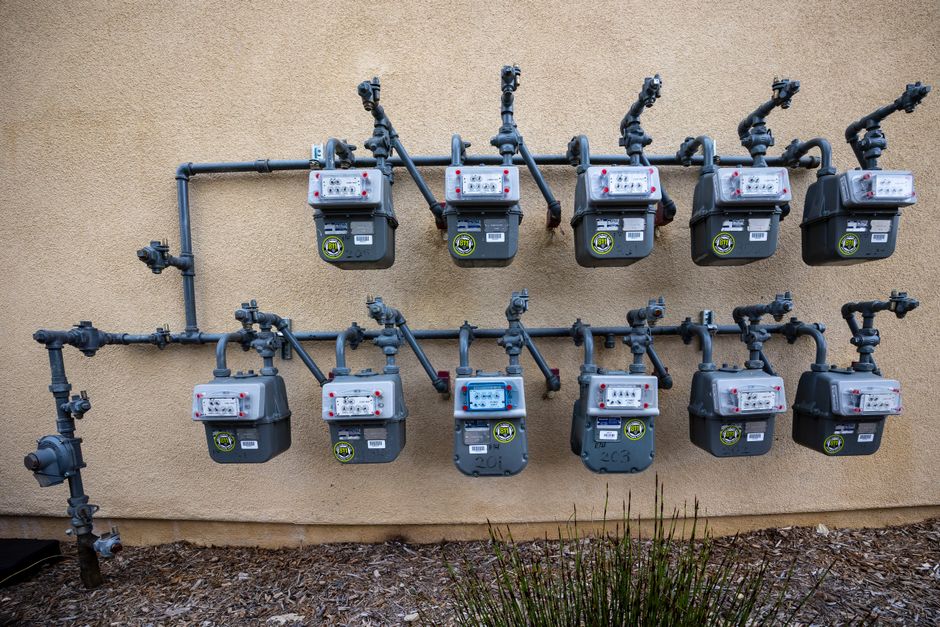
Multifamily properties often have shared electrical, water, or gas infrastructure serving multiple units, which requires careful coordination with utility providers to disconnect service to the entire building rather than unit by unit. A single gas meter serving several units, for example, needs the entire line addressed rather than treating each unit as a separate disconnection.
This coordination typically happens before demolition begins, similar to a single-family project, but with more utility connections to track. A contractor experienced with multifamily properties confirms every connection point has been properly disconnected before equipment moves in, since a missed connection creates a safety hazard once demolition starts.
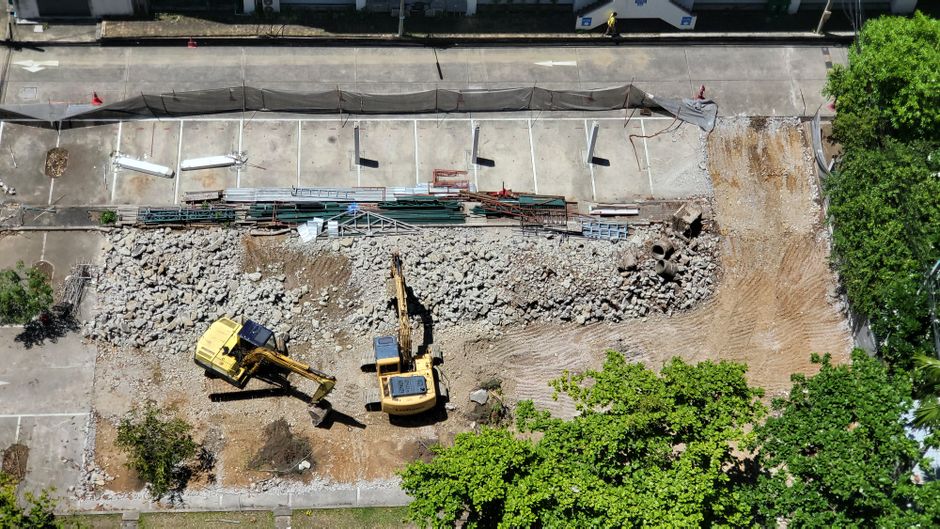
When a multifamily building shares a wall with an adjacent occupied structure, whether another building on the same lot or a neighboring property, the demolition plan has to account for how removing that shared wall affects the structure that remains standing. This is common in denser New Orleans neighborhoods where buildings sit close together or share property lines.
A structural assessment usually determines whether the shared wall can simply be removed, needs to be capped or reinforced to protect the remaining structure, or requires more involved work to separate the two buildings safely. This is one of the more technically demanding aspects of multifamily demolition and typically involves closer coordination with a structural engineer than a standalone teardown would require.
A property owner planning to redevelop a demolished multifamily site, whether into new apartments, a different type of building, or several smaller lots, should share those plans with the demolition contractor, since the intended future use can affect what gets removed and how the site is left. A site being redeveloped into new construction has different grading and utility needs than one being sold as vacant land.
Coordinating demolition scope with future development plans early can also save money. Removing or capping utilities in a way that anticipates the new construction’s needs, for example, can prevent redundant work once building begins. A contractor familiar with both demolition and how sites transition into redevelopment can flag these opportunities during initial planning.
Grading and drainage are also worth discussing early on a multifamily site being cleared for new construction. A property with several units previously covered more of the lot with impervious surface than a typical single-family home, and how the site drains once that structure is gone can affect both the demolition cleanup and the next phase of construction.
Multifamily demolition carries more coordination requirements than a single-family teardown, from tenant relocation to shared utility disconnection to structural considerations around shared walls. A contractor who understands these added layers keeps a multi-unit project moving without the surprises that come from treating it like a standard residential job.
The company is licensed for residential (License #890459) and commercial (License #3667) demolition throughout New Orleans and the surrounding parishes and has handled multifamily and multi-unit demolition projects. Browse the full services list, or reach out through the contact page to discuss your property.
Planning to demolish a multifamily property? Call 504-732-9194 for a free estimate.
Yes, permitting and general project planning can often move forward in parallel with tenant relocation. Physical demolition, however, generally cannot begin until the property is fully vacant and any legally required notice periods have been satisfied.
The core principles, shared walls, shared utilities, and coordination around structural stability, apply to both, but a larger apartment complex typically has more units and utility connections to coordinate, which can extend the planning and disconnection process compared to a smaller duplex or fourplex.
Partial demolition of a multi-unit building requires careful structural assessment to ensure removing one section does not compromise units that will remain standing. This often involves a structural engineer determining what reinforcement or capping is needed at the shared wall.
The permitting process generally follows the same local requirements, but multifamily properties may involve additional review depending on the building’s classification, size, and any historic district considerations. A contractor familiar with local permitting can confirm what applies to a specific property.
Timelines vary based on the number of units, shared structural elements, and utility coordination required. A small duplex might be comparable to a larger single-family project, while a full apartment complex can take considerably longer depending on its size and site conditions.
Coordinating tenant relocation, shared utility disconnection, and shared-wall structural work takes more planning than a single-family teardown, but it is what keeps a New Orleans multifamily demolition project moving without surprises for the owner or the neighbors.
TurnKey Demo Team has handled multifamily and multi-unit demolition projects across New Orleans and the surrounding parishes.
Planning to demolish a multifamily property? Contact us or call 504-732-9194 for a free estimate.
 TurnKey Demo Team
  Sep 24, 2026