Residential License # 890459
Commercial License # 3667
Opening Hours 9:00 am to 6:00 pm

Call Us Today!
Older homes and commercial buildings across New Orleans often hide two serious hazards behind their walls and under layers of paint: asbestos and lead. Before a wrecking crew or excavator touches a structure built before the 1980s, asbestos and lead abatement before demolition has to happen first, or the project can expose workers, neighbors, and the environment to dangerous materials. Federal and Louisiana regulations both require testing, and when hazards turn up, professional removal before a demolition permit can move forward. Skipping this step does not just carry health risks. It can also stop a project cold and trigger steep fines.
At TurnKey Demo Team, hazardous material identification and removal is built into every demolition project we handle across the New Orleans metro area. If you are planning to tear down or gut an older property, here is what testing and abatement actually involve before the first wall comes down.
Asbestos and lead abatement is the professional testing, containment, and removal of asbestos-containing materials and lead-based paint before a structure comes down. It matters because disturbing these materials during demolition releases fibers and dust that cause lung disease and lead poisoning, and both the EPA and Louisiana regulators require abatement before certain projects can proceed.
Asbestos was used in insulation, flooring, roofing, and siding materials well into the 1980s. Lead was a common ingredient in paint until the federal government banned it for residential use in 1978. Any New Orleans property built before those dates is a candidate for testing.
Once these materials are disturbed by a bulldozer or wrecking ball, fibers and dust can travel far beyond the job site. That is why abatement happens before demolition begins, not during or after it.
Asbestos testing is required before demolishing almost any commercial building and most residential structures built before 1980 in Louisiana. An accredited asbestos inspector must examine the property, and the results determine whether abatement is needed before the city will finalize a demolition permit.
The federal Asbestos NESHAP rule, enforced in Louisiana through the Department of Environmental Quality, sets the bar for when removal is mandatory. If the amount of asbestos-containing material is below 260 linear feet, 160 square feet, or 35 cubic feet, removal before demolition is not automatically required, though testing still is.
Larger amounts of regulated asbestos-containing material must be removed by a licensed abatement contractor before any structural work begins. Property owners in neighborhoods with older housing stock, including parts of the French Quarter, Treme, and Bywater, should expect this step on almost every project.
Lead paint complicates demolition because it turns into toxic dust once disturbed, and roughly three-quarters of homes built before 1978 in the United States still contain some lead-based paint. Full structural demolition is treated differently than partial demolition or renovation under federal lead rules, but abatement is still recommended for worker and neighborhood safety.
The EPA’s Lead Renovation, Repair, and Painting Rule mainly governs partial demolition and remodeling work rather than full teardown. Even so, most contractors treat lead-safe practices as standard procedure on any pre-1978 New Orleans property.
Interior demolition projects, where crews strip walls and finishes down to the studs, carry particular risk because lead dust settles into HVAC systems and adjoining rooms. Interior demolition crews use containment barriers and HEPA filtration to keep that dust contained.
If your property is going through a partial teardown rather than a full demolition, ask your contractor directly whether lead-safe certification applies to your project. Call 504-732-9194 if you are unsure which category your property falls under.
The abatement process starts with an inspection and material sampling, followed by a written report identifying any asbestos or lead hazards. If hazards are confirmed, a licensed crew seals off the area, removes the material under controlled conditions, and disposes of it properly before demolition begins.
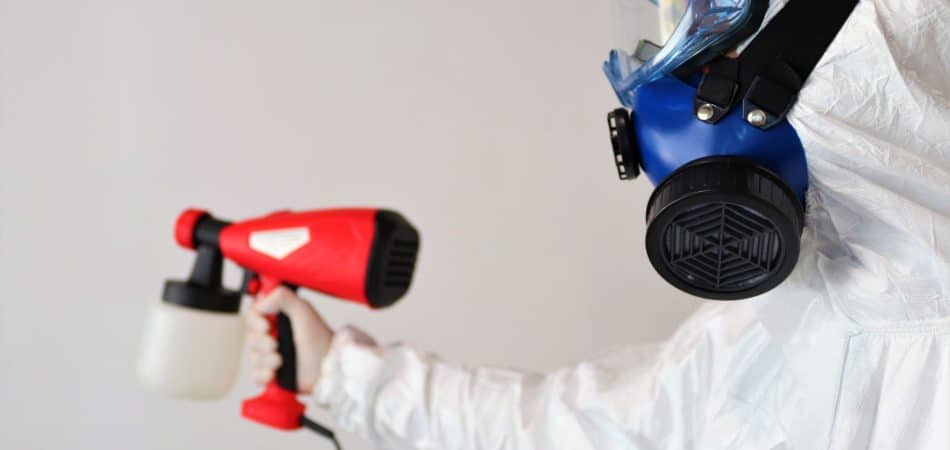
A typical timeline includes site inspection, lab analysis of samples, contractor scheduling, and the physical removal itself. Containment measures such as negative air pressure, plastic sheeting, and respirators protect both workers and the surrounding property during removal.
Once abatement is complete, the contractor issues clearance documentation confirming the site is safe. That paperwork is often required before the city will allow demolition to proceed. Hazardous material removal crews typically coordinate this entire process alongside the demolition permit application.
Skipping abatement exposes workers and neighbors to airborne asbestos fibers and lead dust, both of which cause long-term health problems including lung disease and neurological damage. It also creates legal exposure, since Louisiana and federal regulators can issue stop-work orders, fines, and reopened environmental claims against the property owner.
Asbestos exposure is linked to mesothelioma and other respiratory illnesses that can take decades to appear. Lead dust exposure is especially dangerous for children and pregnant women living nearby.
Beyond the health risks, unpermitted or improperly abated demolition projects can also delay closing dates on property sales and complicate insurance claims. Site remediation after a botched abatement job is far more expensive than doing it correctly the first time.
Asbestos and lead abatement costs vary based on the size of the structure, the amount of hazardous material found, and how difficult it is to access. Asbestos removal alone can add roughly $5 to $20 per square foot to a project, while lead paint remediation costs depend on the surface area and method used.
| Factor | Typical Cost Impact |
|---|---|
| Asbestos inspection and testing | Flat fee, varies by property size |
| Asbestos abatement | $5 to $20 per square foot added to project |
| Lead paint testing | Flat fee per property |
| Lead-safe containment and removal | Varies by surface area and access |
These figures are general ranges, and every property is different. A residential demolition quote should always include a line item for hazardous material testing so there are no surprises once work begins.
Asbestos and lead abatement should always be handled by a licensed, accredited contractor, never a general demolition crew without specialized training. Louisiana requires asbestos inspections to be performed by accredited inspectors, and lead-safe work should follow EPA-certified renovation and abatement practices.
Hiring an unlicensed crew to handle hazardous material removal is not just risky, it is often illegal. Regulators can trace violations back to the property owner even if a subcontractor performed the work.
A demolition company that manages abatement, permitting, and the actual teardown under one roof reduces the coordination headaches for property owners juggling multiple contractors. This single point of contact also keeps timelines and paperwork more predictable.
Handling asbestos and lead abatement correctly protects your crew, your neighbors, and your project timeline. It also keeps your demolition permit on track instead of stuck in review while inspectors wait on paperwork.
TurnKey Demo Team coordinates hazardous material testing, abatement, and demolition for property owners throughout New Orleans, Metairie, Baton Rouge, and the surrounding parishes.
Contact our team today at 504-732-9194 or request a free estimate online before your next demolition project begins.
Most do. Louisiana requires an asbestos inspection by an accredited inspector before demolishing commercial buildings and most residential structures built before 1980. The Louisiana Department of Environmental Quality enforces this requirement alongside the federal Asbestos NESHAP rule, and violations can delay your demolition permit.
The EPA’s Lead Renovation, Repair, and Painting Rule mainly applies to partial demolition and renovation rather than full structural teardown. Many New Orleans contractors still test for lead paint on pre-1978 homes as a safety precaution and to avoid neighborhood dust complaints.
Abatement typically adds one to two weeks to a New Orleans demolition timeline, depending on property size and the amount of hazardous material found. Inspection, lab analysis, and contractor scheduling all happen in Louisiana before physical removal begins on site.
No. Louisiana law requires licensed, accredited contractors to handle asbestos and lead abatement, and DIY removal is both dangerous and illegal in most cases across the state. Attempting it yourself can also void insurance coverage and expose you to regulatory fines from state and federal agencies.
Regulated asbestos-containing material and lead debris must be disposed of at approved facilities that meet EPA and Louisiana Department of Environmental Quality standards. Improper disposal can result in significant fines for both the contractor and the property owner throughout the New Orleans area.