Free Estimate!
Image
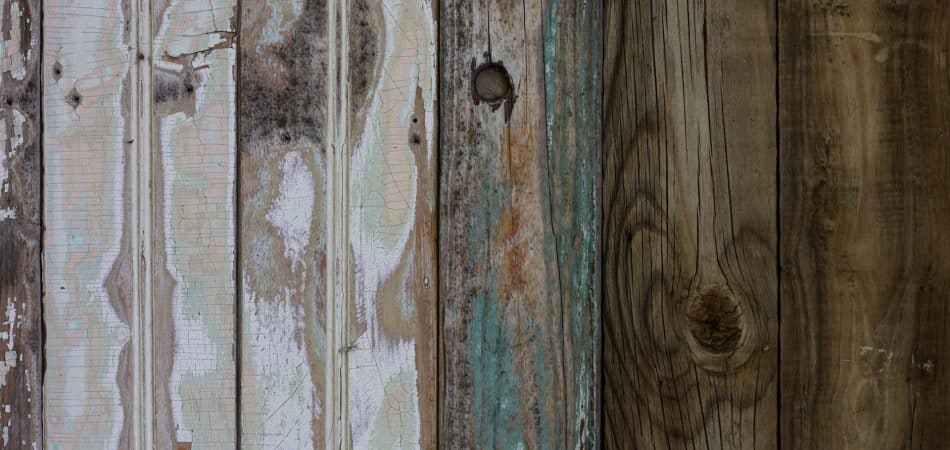
Reclaimed wood planks salvaged through deconstruction

Deconstruction vs. Demolition: How New Orleans Homeowners Salvage Building Materials

Deconstruction is the hand dismantling of a structure so reusable materials like heart pine flooring, cypress framing, brick, and fixtures can come out intact before the rest of the building comes down. Demolition uses heavy equipment to bring a structure down fast, with most of the debris hauled straight to a landfill. Older homes with salvageable material often call for deconstruction or a hybrid approach, while storm-damaged or structurally unsound buildings usually call for standard demolition.

New Orleans is full of houses built from wood and brick that simply are not made anymore. Heart pine floors cut from centuries-old trees, cypress joists that shrug off rot and humidity, and hand-fired brick from 19th-century kilns show up behind the plaster of shotgun houses and Creole cottages across the city. When one of these structures needs to come down, the choice between deconstruction vs demolition determines whether those materials end up in a landfill or in someone else’s next project. Deconstruction takes longer and often costs more upfront, but it can recover lumber, brick, doors, and fixtures for resale, donation, or reuse. Demolition is faster and cheaper per square foot, and it stays the right call when a structure is unsafe, storm-damaged, or holds nothing worth saving.

TurnKey Demo Team has walked homeowners through this decision on properties across the New Orleans area, from Uptown doubles to river parish cottages, and builds a salvage plan into a project whenever the materials justify it. Visit the TurnKey Demo Team homepage to see how a licensed demolition and deconstruction contractor evaluates a property before the first wall comes down, or keep reading to find out which approach fits your home.

What Is the Difference Between Deconstruction and Demolition?

Deconstruction removes a building piece by piece, mostly by hand, so lumber, brick, doors, and fixtures can be saved for resale or donation. Demolition uses excavators or mechanical equipment to bring a structure down quickly, with most debris hauled straight to disposal. The two methods serve different goals, and many New Orleans projects blend both depending on what the house is worth saving.

Factor Deconstruction Demolition
Method Hand dismantling, done in order Mechanical equipment, excavator or hydraulic tools
Timeline Several extra days to a few weeks Usually the fastest option
Cost Higher labor cost upfront Lower cost per square foot
Material recovery High, salvages lumber, brick, fixtures Low, most material becomes debris
Best fit Historic homes with reusable materials Storm damage or unsalvageable structures

A homeowner deciding between the two should walk the property with a contractor first. Our Interior Demolition vs. Full Demolition guide covers a related decision that often comes up in the same conversation, since some homes only need part of the structure removed.

When Does Deconstruction Make Sense for a New Orleans Home?

Salvaged old red bricks stacked for reuse

Deconstruction makes sense when a home has original heart pine flooring, cypress framing, hand-fired brick, cast iron fixtures, or millwork that a demolition crew would otherwise send to a landfill. These materials are decades or centuries old, cut from old-growth trees that no longer exist in commercial quantities. Homeowners who take the time to remove them by hand can often sell or donate what comes out.

Common salvage items from New Orleans homes include:

  • Heart pine and cypress flooring or beams
  • Hand-fired brick from 19th and early 20th century construction
  • Wood doors, mantels, and transom windows
  • Cast iron radiators, tubs, and hardware
  • Cabinetry and trim in solid wood

If you are still weighing whether to save the whole house or clear it, our Tear Down vs. Renovate guide walks through that bigger decision. A deconstruction estimate from a licensed contractor is the fastest way to find out what your home can offer before any work starts. Call TurnKey Demo Team to schedule a free walkthrough.

What Happens to Salvaged Materials After a Deconstruction Project?

Deconstruction generally follows the same sequence on most New Orleans projects:

  1. Hand dismantling. Crews remove flooring, trim, doors, fixtures, and framing in reverse order of how the house was built, working room by room.
  2. Sorting and grading. Materials get sorted by type and condition, with unusable or damaged pieces set aside for standard disposal.
  3. Resale or donation. Usable materials go to local salvage buyers, resale shops, or nonprofits such as The Green Project, a New Orleans nonprofit that accepts building materials for reuse.
  4. Documentation. Donated items receive a receipt from the accepting organization, which the homeowner keeps for tax purposes.

This process takes longer than knocking a wall down with an excavator, which is why deconstruction usually costs more in labor. Our Residential Demolition Cost breakdown covers how standard demolition pricing compares, so homeowners can weigh both options against the same project.

Can You Deduct Donated Building Materials on Your Taxes?

Crew dismantling a wooden house during deconstruction

Homeowners who donate salvaged materials to a qualified 501(c)(3) organization may be able to claim a charitable deduction for the fair market value of those items, but the rules depend on the amount claimed. The IRS requires Form 8283 for noncash donations over $500, and donations valued above $5,000 need a qualified written appraisal. This is a real financial incentive, but it is a tax matter, not a demolition one.

Homeowners should talk to a CPA or tax preparer before assuming a deduction amount, since values and documentation requirements change based on what is donated and where. A demolition contractor can tell you what materials are worth salvaging and connect you with local organizations that accept them, but the deduction itself is between the homeowner and the IRS.

When Does Conventional Demolition Still Make More Sense?

Deconstruction is not the right fit for every project. Several situations still call for standard demolition instead.

Storm or Fire Damage

Structures damaged by wind, flooding, or fire often have compromised framing that is not safe to dismantle by hand. Speed and worker safety take priority over material recovery in these cases.

Hazardous Materials Present

Homes built before the 1980s may contain asbestos or lead-based paint, which requires abatement before any hands-on work. Our Asbestos and Lead Abatement guide explains how that testing and removal process works ahead of either method.

Tight Rebuild Timelines

Deconstruction adds days or weeks to a project schedule. Homeowners on a fixed construction timeline, especially those rebuilding after storm damage, often need the faster route.

Little to No Salvageable Material

Newer construction, additions built with modern lumber, or homes that were already gutted rarely have enough recoverable material to justify the extra labor cost of deconstruction.

Frequently Asked Questions

What’s the main difference between deconstruction and demolition?

Deconstruction is hand dismantling aimed at saving reusable materials, while demolition uses equipment like excavators to bring a structure down fast. Deconstruction typically takes longer, but it can recover items such as heart pine flooring or brick that demolition sends to a landfill.

What building materials can be salvaged from an older New Orleans home?

Common salvage items include heart pine and cypress lumber, hand-fired brick, cast iron fixtures, wood doors, mantels, and transom windows. Many of these materials date back to 19th or early 20th century construction found throughout Uptown and Mid-City.

Can I get a tax deduction for donating salvaged materials?

Donations to a qualified 501(c)(3) organization may qualify for a charitable deduction, and the IRS requires Form 8283 for noncash donations over $500. A CPA can confirm the exact deduction amount based on the materials and their documented value.

Where can I donate or sell salvaged building materials in New Orleans?

The Green Project is a New Orleans nonprofit that accepts usable building materials and issues donation receipts. Local salvage yards and resale shops also purchase reclaimed lumber, brick, and fixtures directly from homeowners.

Does deconstruction always cost more than demolition?

Deconstruction usually costs more in labor because it takes longer to dismantle a structure by hand. Some of that cost can be offset by resale value or a tax deduction on donated materials, depending on the project.

Do I need a permit for a deconstruction project in New Orleans?

Permit requirements depend on the scope of work and are handled through the City of New Orleans Department of Safety and Permits. A licensed contractor can confirm what documentation your specific project needs before work starts.

Ready to Decide Between Deconstruction and Demolition?

Choosing the right approach protects the historic character of a New Orleans home while keeping the project on budget and on schedule. Deconstruction recovers materials that cannot be replaced, while demolition clears a site quickly when speed and safety matter more than salvage. TurnKey Demo Team walks every property owner through both options with a free, honest assessment before any work begins.

Reach out through our contact page or call (504) 732-9194 to schedule a free estimate and find out whether your home is a candidate for deconstruction, demolition, or a mix of both.

Related Posts
Ready to Transform Your Space? Contact
TurnKey Demo TeamToday for a FREE Consultation and Quote.