Residential License # 890459
Commercial License # 3667

Opening Hours 9:00 am to 6:00 pm


Call Us Today!
Residential License # 890459
Commercial License # 3667
Opening Hours 9:00 am to 6:00 pm
Call Us Today!

Deciding whether to tear down or renovate a New Orleans home is one of the biggest financial and practical decisions a property owner can face. The right choice depends on structural condition, renovation costs, neighborhood context, and your long-term goals. This guide helps you evaluate both options clearly.
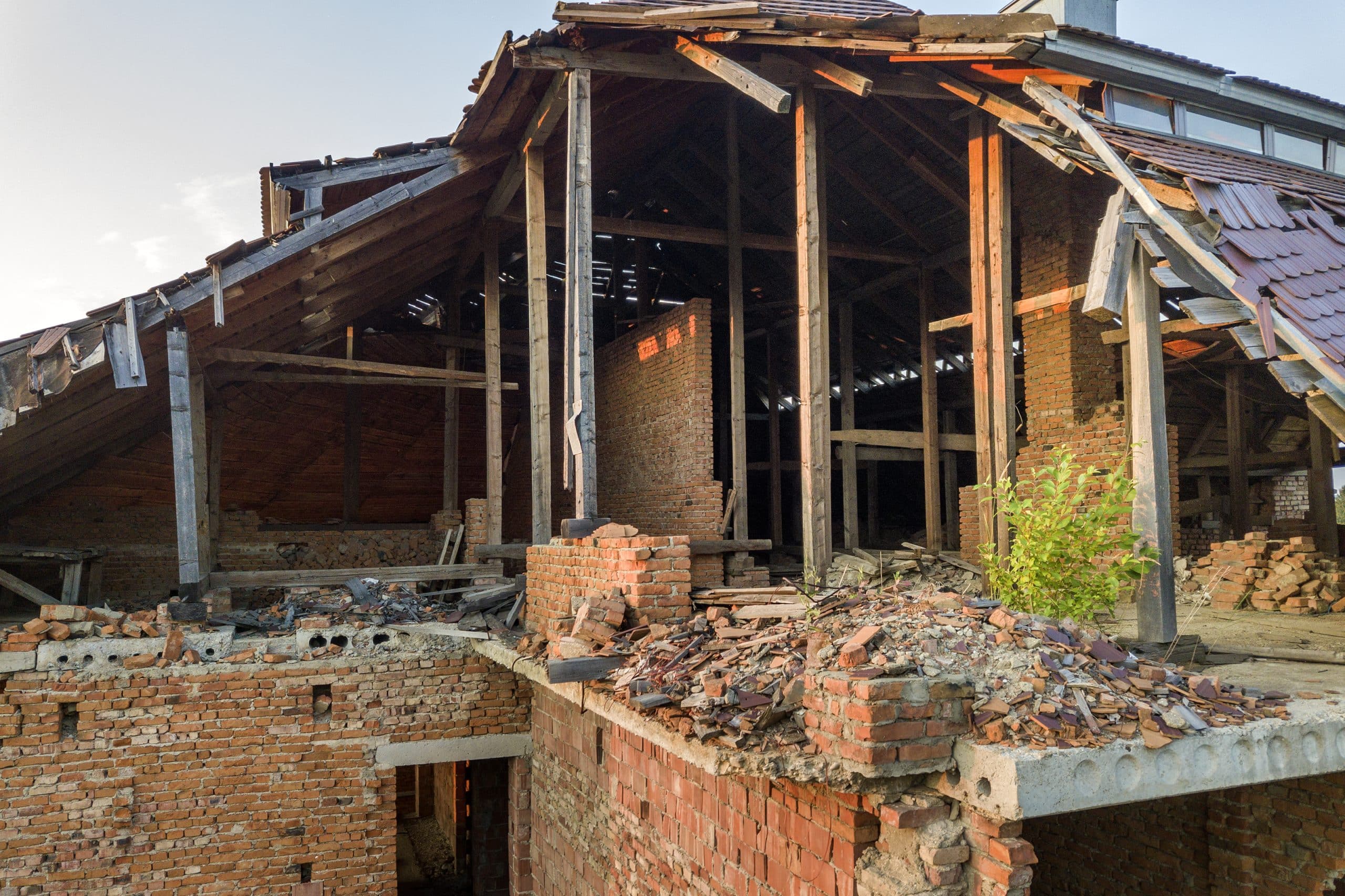
New Orleans homeowners face this question more often than property owners in most other cities. Between hurricane damage, flooding, termite deterioration, aging infrastructure, and shifting soils, many homes reach a point where you have to ask: is it worth saving? At TurnKey Demo Team, we help property owners across the Greater New Orleans area evaluate their options honestly. We are a demolition company, but we believe in giving you the straight answer, even if that answer is to renovate instead.
Both options have real costs and real benefits. The key is making your decision based on facts rather than assumptions. Here is how to evaluate whether a teardown or renovation is the right call for your New Orleans property.
If the foundation, framing, and roof structure are in good condition, renovation is usually the more cost-effective path. A home with solid bones can be updated with new systems, finishes, and layouts at a fraction of the cost of demolition and new construction. This is especially true for well-built older homes in neighborhoods like the Garden District, Uptown, and parts of Mid-City where original construction quality was high.
In New Orleans, many properties fall within local historic districts governed by the Historic District Landmarks Commission (HDLC). Demolishing a contributing structure in a historic district can be extremely difficult to get approved, and sometimes impossible. If your property is in a regulated historic district, renovation is likely your primary option. Even outside formal historic districts, many New Orleans neighborhoods have cultural and architectural significance that makes preservation valuable.
If your renovation budget falls within 40 to 60 percent of what new construction would cost, renovation typically makes financial sense. For example, if building a new home on your lot would cost $300,000, and a comprehensive renovation can achieve your goals for $150,000 or less, renovating is the stronger financial play. Interior demolition and selective gutting can prepare your home for renovation efficiently.
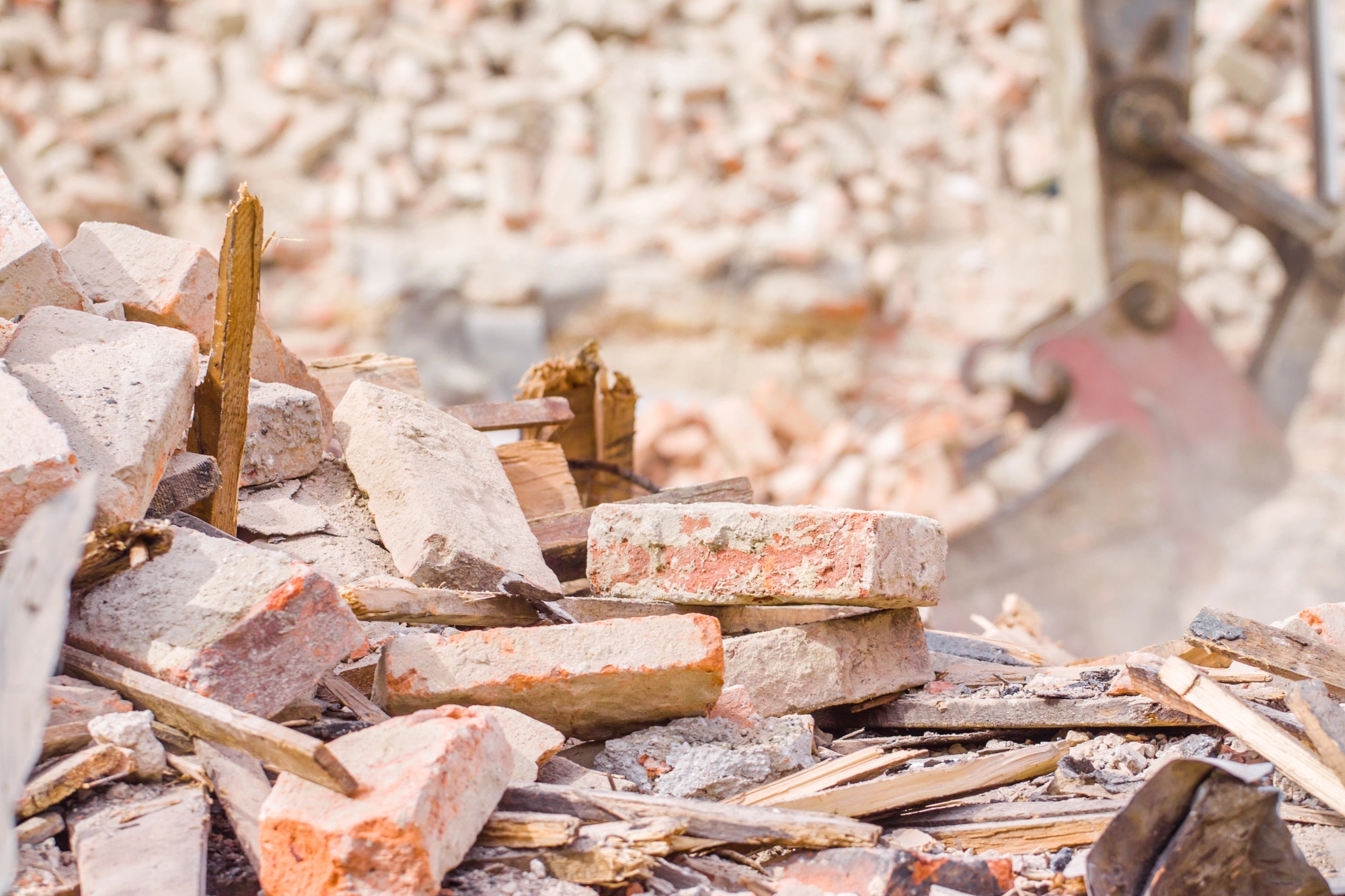
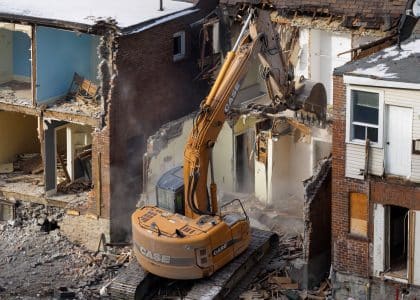
Some homes have damage that goes beyond what renovation can reasonably fix. Severe foundation failure, widespread termite damage to structural framing, major flood damage to the substructure, and extensive mold through the wall cavities can all push a property past the point of practical repair. When the cost of bringing a home up to code exceeds 70 to 80 percent of new construction cost, demolition and rebuilding is usually the smarter investment.
Older New Orleans homes were designed for a different era. Low ceilings, narrow hallways, small rooms, inadequate closets, and outdated plumbing and electrical layouts can be difficult and expensive to reconfigure within an existing structure. If your renovation plan essentially requires rebuilding most of the interior anyway, starting fresh may be more efficient. Our guide on selective interior demolition for renovations explains what is involved in gutting an interior while keeping the shell.
Older homes frequently contain asbestos, lead paint, and other hazardous materials. If these materials are extensive and embedded in the structure, such as asbestos in every wall or lead paint on every surface, the cost of abatement can be prohibitive for renovation. In some cases, demolition with proper hazardous material handling is more economical than trying to abate and renovate around pervasive contamination.
Start with a professional inspection. Have a structural engineer and a licensed general contractor assess the property independently. The structural engineer evaluates the foundation, framing, and load-bearing systems. The general contractor provides renovation cost estimates. Compare the renovation estimate to the cost of demolition plus new construction.
Get a demolition estimate as well. Knowing the actual cost of residential demolition removes guesswork from your comparison. TurnKey Demo Team provides free demolition estimates for properties throughout the New Orleans metro area. For specific cost information, see our residential demolition cost breakdown for 2026.

The decision is not just about construction costs. Property taxes, insurance, resale value, and timeline all factor in. A newly built home typically has lower insurance premiums, better energy efficiency, and meets current building codes without exception. A renovated historic home may have higher cultural value and resale appeal in certain neighborhoods. New construction typically takes eight to fourteen months. A major renovation can take just as long or longer, especially if unexpected issues arise during the work.
Financing also differs. Some renovation loan products (like FHA 203(k) loans) specifically support renovation projects. New construction may qualify for different lending products and potentially better terms. Consult with your lender about both options before making a final decision.
New Orleans adds layers of complexity that other cities do not have. Flood zone requirements may dictate elevation standards that are easier to meet with new construction. Historic district regulations may prevent demolition entirely. Neighborhood character and community expectations can influence your decision. Soil conditions and drainage challenges may affect both renovation and new construction differently. Termite pressure in this region means older untreated wood structures face ongoing risk.
Working with contractors who understand these local factors is essential. TurnKey Demo Team has worked across every neighborhood in the New Orleans area and can provide honest guidance based on what we see on your property.
Whether you are leaning toward demolition or renovation, the first step is the same: get your property professionally assessed. Contact TurnKey Demo Team or call (504) 732-9194 to schedule a free property evaluation. We will help you understand the demolition side of the equation so you can make a fully informed decision.
For more information, explore our articles on commercial demolition processes, interior demolition costs, and concrete demolition methods that may be relevant to your project.
It depends on the property condition. If renovation costs exceed 70 to 80 percent of new construction costs, demolition and rebuilding is typically more economical. If the structure is sound and renovation costs are moderate, renovating is usually cheaper overall.
Demolishing a contributing structure in a local historic district requires approval from the Historic District Landmarks Commission, and it is rarely granted. Non-contributing structures may have more flexibility. Consult with the HDLC and a local contractor to understand your specific situation.
A structural engineer can assess foundation, framing, and load-bearing systems. If the structural report identifies widespread failure or if the repair costs are prohibitive, demolition may be the more practical option. Multiple professional opinions help confirm the assessment.
New construction typically qualifies for lower homeowner’s insurance premiums because it meets current building codes, wind resistance standards, and flood elevation requirements. Renovated older homes may carry higher premiums, particularly in flood zones.
Demolition typically takes one to four weeks including permits. New construction takes eight to fourteen months depending on size and complexity. The total timeline from decision to move-in is generally twelve to eighteen months.
TurnKey Demo Team specializes in demolition, site clearing, and related services. We do not perform new construction, but we can coordinate with your builder to ensure the site is properly prepared for their work. We handle everything up to and including a cleared, graded, build-ready lot.
 TurnKey Demo Team
  May 21, 2026