Residential License # 890459
Commercial License # 3667

Opening Hours 9:00 am to 6:00 pm


Call Us Today!
Residential License # 890459
Commercial License # 3667
Opening Hours 9:00 am to 6:00 pm
Call Us Today!

Interior demolition costs in New Orleans vary widely based on the size of the space, scope of removal, hazardous materials present, and the building type. Understanding what drives these costs helps property owners budget accurately and avoid surprises when planning renovation projects.
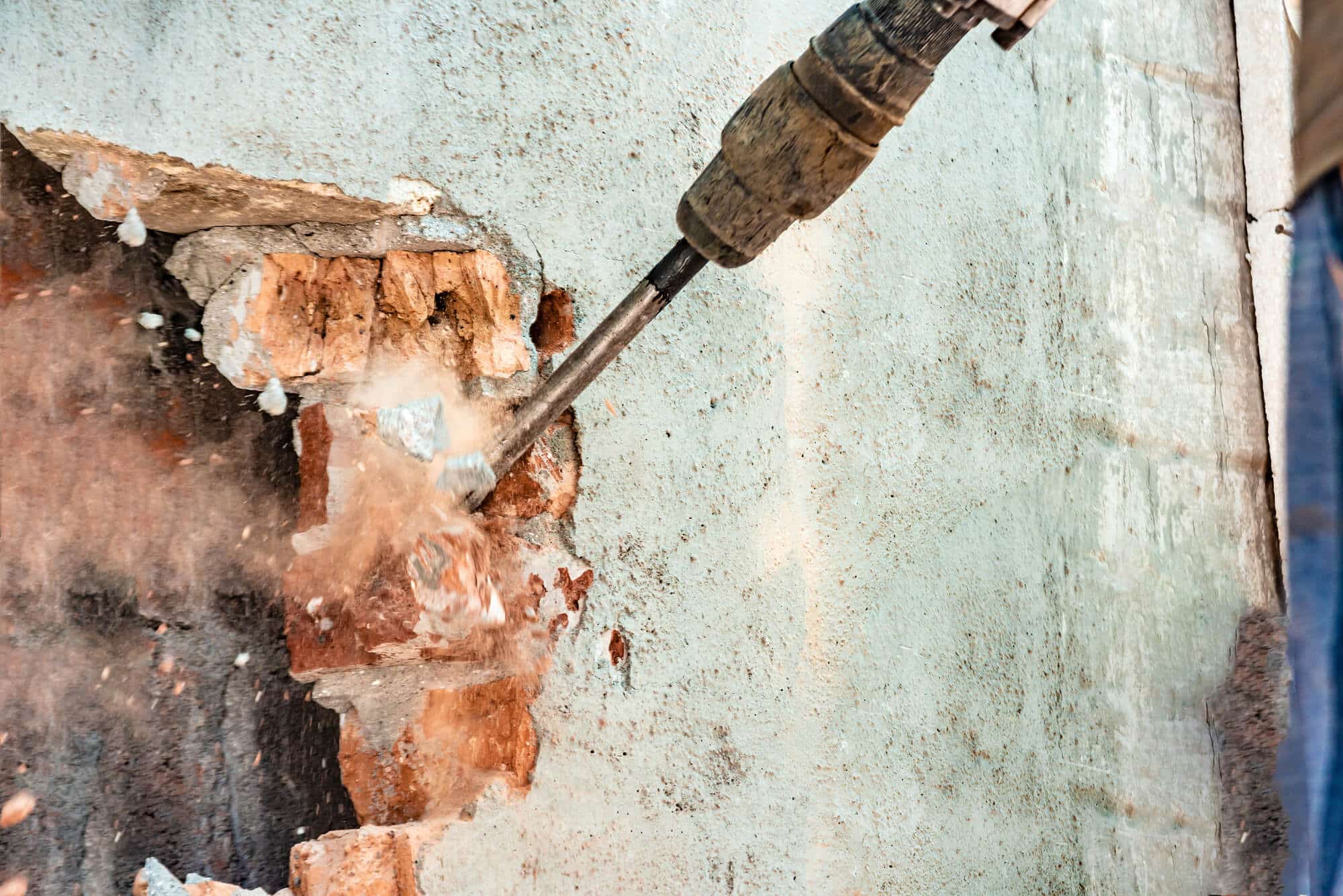
Interior demolition is the foundation of most renovation projects. Before new walls, floors, and fixtures go in, the old ones must come out. At TurnKey Demo Team, we provide interior demolition services for homes, apartments, commercial spaces, and mixed-use buildings throughout the Greater New Orleans area. Pricing for this work depends on several factors that we will break down in detail.
As a general baseline, interior demolition in New Orleans typically costs between $2 and $7 per square foot for straightforward residential gutting. Commercial interior demolition can range from $3 to $10 per square foot depending on the complexity of existing systems and the density of materials being removed. These ranges give you a starting point, but the actual cost for your project depends on the specific conditions of your space.
The total area being demolished is the most direct cost factor. A 1,000-square-foot residential gut is a smaller job than a 5,000-square-foot commercial space. However, cost per square foot does not always scale linearly. Larger projects may have a lower cost per square foot because setup costs and equipment mobilization are spread over more area.
Scope matters as much as size. A selective interior demo that removes only kitchen and bathroom finishes costs less than a full gut that strips the space down to the studs. Common scope variations include cosmetic removal only (flooring, cabinets, fixtures), full gut to studs (drywall, insulation, MEP rough-in), and structural modification (removing or relocating interior walls). Each level of scope adds labor hours and, consequently, cost. For a detailed look at how selective work differs from full demolition, read our guide on selective interior demolition for New Orleans renovations.

The type of building significantly affects interior demolition costs. Older New Orleans homes built with plaster and lath walls take more labor to demolish than modern drywall construction. Plaster is heavier, dustier, and requires more manual effort to remove. The debris is also heavier, which increases hauling costs.
Commercial buildings with steel studs, concrete floors, and complex mechanical systems cost more to gut than wood-framed residential spaces. Multi-story buildings add cost because debris must be carried down stairs or chuted out of upper-floor windows. Buildings with limited access, common in the French Quarter and older parts of the city, may require manual demolition where a typical project would use small machinery.
Hazardous material abatement is one of the most significant cost variables in interior demolition. Properties built before 1980 in New Orleans commonly contain asbestos floor tiles and mastic, asbestos pipe insulation, lead-based paint, vermiculite insulation potentially containing asbestos, and other regulated materials.
When these materials are present, they must be professionally abated before general demolition can proceed. Abatement costs vary based on the type, quantity, and accessibility of the hazardous material. Asbestos abatement alone can add $3 to $15 per square foot to your project depending on the extent. A hazardous material survey before demolition identifies what is present so costs can be estimated accurately. TurnKey Demo Team coordinates hazardous material removal as part of our interior demolition projects to provide a single point of responsibility.
Interior demolition generates substantial amounts of debris that must be loaded, hauled, and disposed of properly. The volume and weight of debris directly affects cost. A full residential gut generates roughly 1 to 2 cubic yards of debris per 100 square feet, depending on the materials being removed. Plaster walls, tile floors, and concrete produce heavier debris that fills dumpsters faster and costs more to haul.
Disposal fees at licensed facilities in the New Orleans area are charged by weight or volume. Recycling certain materials, such as metal and clean wood, can slightly reduce disposal costs. Hazardous materials require special disposal at licensed facilities, which carries premium pricing. Our debris removal service handles all sorting, hauling, and proper disposal.

Interior demolition is labor-intensive work. The number of crew members needed and the hours required depend on the project scope, building conditions, and access. Tight spaces, narrow stairways, and occupied adjacent units all slow the work and increase labor hours. Projects in the French Quarter, Marigny, and other dense neighborhoods often have challenging access that affects labor efficiency and cost.
Projects requiring careful preservation of certain elements also take more time. If you need to preserve original crown molding while removing surrounding drywall, or protect hardwood floors while demolishing overhead plaster, the crew must work more carefully, which means more hours and higher labor costs.
Depending on the scope of your interior demolition, permits may be required from the City of New Orleans. Permit fees are relatively minor compared to other costs, typically ranging from $100 to $500. However, some renovation projects require structural engineering review or additional inspections that carry their own fees. Your contractor should clarify which permits are needed and include associated costs in the estimate.
The most reliable way to determine your interior demolition cost is to have a contractor visit the site and assess the specific conditions. A thorough estimate accounts for all the factors discussed here and provides a detailed scope of work so you know exactly what is included. Be cautious of estimates provided without a site visit, as they often miss critical cost factors.
Request estimates from two or three experienced contractors and compare them on a line-by-line basis. Make sure each estimate covers the same scope, including debris removal, hazardous material handling, and permit costs. The lowest price is not always the best value if it excludes important items that will generate change orders later.
Contact TurnKey Demo Team or call (504) 732-9194 to schedule a free site assessment for your interior demolition project. Whether you are gutting a single bathroom or stripping an entire commercial floor, we provide detailed, transparent estimates that cover every cost factor.
For broader project planning, explore our articles on residential demolition costs, whether to tear down or renovate, and concrete demolition methods. If your project involves a commercial space, read how to prepare your business for demolition for important planning steps.
A full interior gut of a standard New Orleans home typically costs between $3,000 and $12,000 depending on square footage, construction type, and the presence of hazardous materials. Larger homes or those with extensive plaster, tile, or hazardous material abatement needs will be at the higher end of that range.
Interior demolition in the New Orleans area generally costs $2 to $7 per square foot for residential projects and $3 to $10 per square foot for commercial projects. These ranges vary based on scope, building type, access conditions, and hazardous material presence.
Reputable contractors include debris removal in their estimates. Always confirm this before signing a contract. Some contractors list debris hauling and disposal as separate line items, which is fine as long as the cost is clearly identified in the total.
Abatement requires licensed specialists, air monitoring equipment, containment systems, protective equipment, and disposal at regulated facilities. These requirements are mandated by federal and state law to protect workers and the public. Cutting corners on abatement creates serious health and legal risks.
Commercial interior demolition timelines depend on square footage and complexity. A 2,000-square-foot retail space might take two to four days. A 10,000-square-foot office floor with extensive mechanical systems could take one to two weeks. Hazardous material abatement adds additional time before general demolition begins.
Simple tasks like removing carpet, shelving, or light fixtures can be done by a property owner. However, anything involving walls, plumbing, electrical systems, or potential hazardous materials should be handled by professionals. Improper removal can cause structural damage, utility damage, and health hazards that far exceed any savings.
 TurnKey Demo Team
  Apr 28, 2026