Residential License # 890459
Commercial License # 3667

Opening Hours 9:00 am to 6:00 pm


Call Us Today!
Residential License # 890459
Commercial License # 3667
Opening Hours 9:00 am to 6:00 pm
Call Us Today!

Selective interior demolition allows New Orleans homeowners and property managers to gut specific portions of a building while preserving the structural elements and features worth keeping. This approach is ideal for renovations where the goal is to modernize without starting from scratch, and it is especially valuable in a city known for its historic architecture.

Not every renovation requires tearing a building down to the studs. Selective interior demolition is the process of carefully removing specific interior components, such as walls, flooring, cabinetry, plumbing fixtures, and finishes, while keeping the structural frame, exterior walls, and key architectural elements intact. At TurnKey Demo Team, we perform selective interior demo throughout the Greater New Orleans area for homeowners, landlords, and commercial property owners preparing for renovation projects.
This type of work requires precision. Unlike full demolition where everything comes down, selective demo demands that crews know what stays and what goes. One wrong cut can damage a load-bearing wall, compromise plumbing or electrical systems, or destroy original features that add value to your property. Our interior demolition crews are trained to work carefully and efficiently within occupied or partially occupied structures.
Selective interior demo is the right approach in several common renovation scenarios in New Orleans. Kitchen and bathroom gut renovations are among the most frequent. When you are reconfiguring a kitchen layout or completely redoing a bathroom, interior demo removes old fixtures, cabinets, tile, drywall, and flooring so your contractor starts with a clean slate.
Opening up floor plans is another common application. Many older New Orleans homes were built with compartmentalized rooms. Removing non-load-bearing interior walls to create an open concept layout starts with selective demolition. Historic renovations in neighborhoods like the Garden District, Marigny, and Treme often require interior gutting while preserving original exterior features like cypress siding, plaster moldings, and decorative ironwork.
Commercial tenant build-outs also rely heavily on interior demolition. When a new tenant moves into a commercial space, the previous layout usually needs to be removed to accommodate the new design. This is common in the Warehouse District and along the commercial corridors of Uptown and Mid-City.

Before any demolition work begins, our team surveys the space to identify structural elements, utility locations, hazardous materials, and the specific scope of removal. We work with your architect or general contractor to understand exactly what needs to be removed and what must be protected. This planning phase prevents costly mistakes and ensures the demo aligns with your renovation design.
Older buildings in New Orleans often contain asbestos in floor tiles, pipe insulation, or textured ceilings. Lead paint is another frequent concern. A hazardous material survey before interior demo is strongly recommended and, in many cases, required. If hazardous materials are found, they must be properly abated before demolition proceeds. Our team coordinates hazardous material abatement to keep your project compliant and safe.
Interior demolition is primarily manual work. Crews use hand tools, reciprocating saws, and small electric demolition hammers to remove materials with precision. Dust containment barriers are set up to protect areas of the building not being demolished. This is especially important in occupied commercial buildings or multi-unit residential properties where other tenants may remain during the work.
All removed materials are hauled out and disposed of properly. In multi-story buildings or tight spaces, debris is often carried out manually or conveyed through windows into containers below. Our debris removal service ensures the space is clean and ready for your renovation contractor to begin their work.
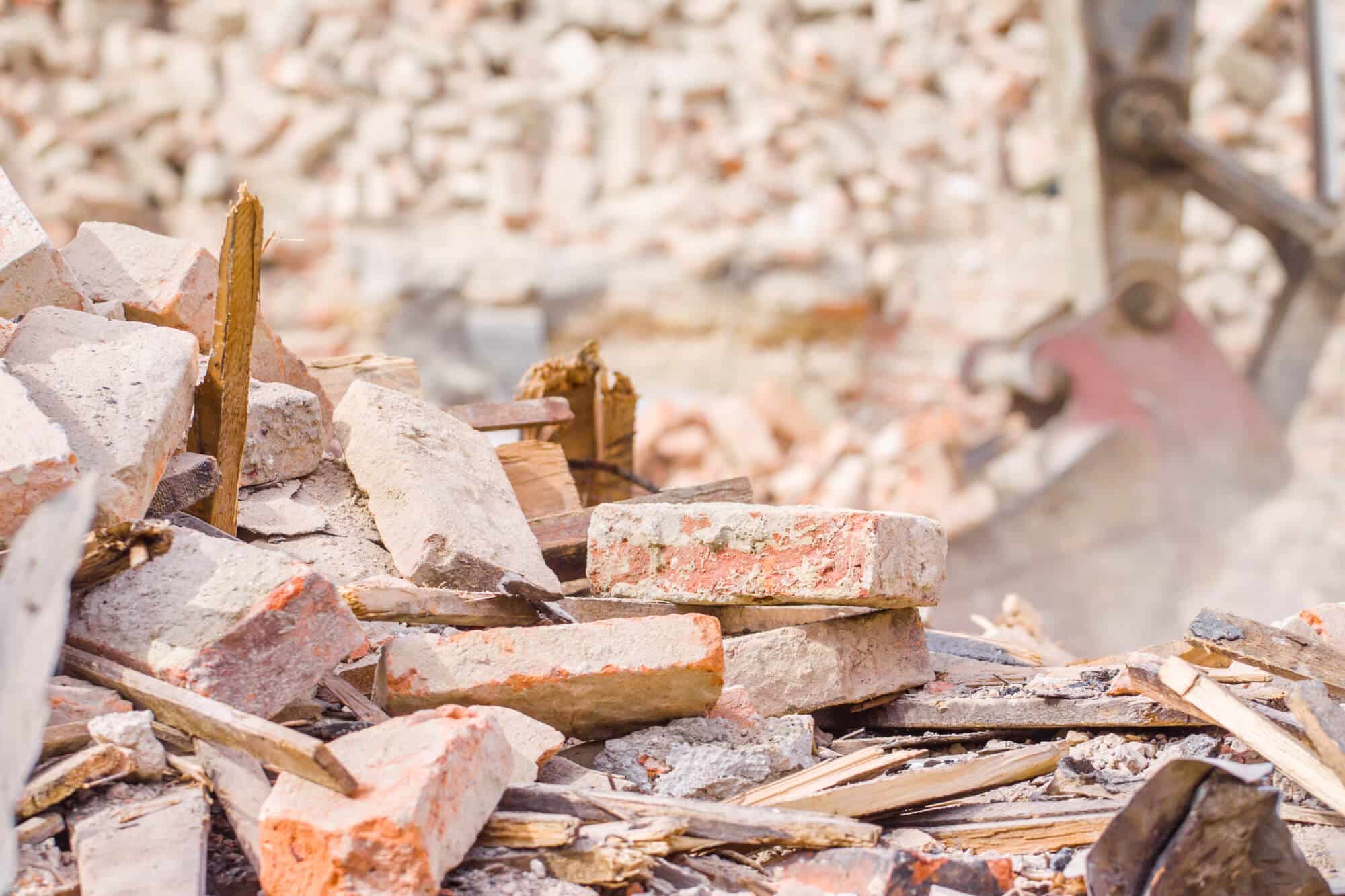
In a typical selective interior demolition, the following items are commonly removed: drywall and plaster, flooring including tile, hardwood, and carpet, kitchen cabinets and countertops, bathroom fixtures and tile, non-load-bearing partition walls, ceiling materials including drop ceilings, old insulation, and outdated electrical and plumbing, when specified by your renovation plan. Items that typically stay include load-bearing walls and columns, exterior walls and windows (unless replacement is planned), roof structure, foundation, and any historic features designated for preservation.
Interior demolition costs depend on the square footage being gutted, the number of floors involved, the types of materials being removed, and whether hazardous materials are present. A straightforward residential interior gut of a 1,500-square-foot home might cost between $3,000 and $8,000. Commercial interior demolition for tenant build-outs varies widely based on the complexity of existing systems being removed. For a deeper look at pricing, read our breakdown of interior demolition costs in New Orleans.
New Orleans has some of the most distinctive residential and commercial architecture in the country. Shotgun houses, Creole cottages, raised center-hall homes, and double-gallery townhouses all have unique structural characteristics. A demolition crew that does not understand these building types can easily damage irreplaceable features or compromise structural integrity.
At TurnKey Demo Team, our crews have experience working in every neighborhood and building type across the New Orleans metro area. We understand the difference between a decorative archway and a load-bearing header. We know which walls in a shotgun house are structural and which can be removed. This local expertise protects your investment and your renovation timeline.
Contact TurnKey Demo Team or call (504) 732-9194 to discuss your renovation project. We will assess your space, coordinate with your design team, and deliver a clean, ready-to-renovate interior on your schedule. If you are still deciding between a full teardown and a renovation, our guide on whether to tear down or renovate can help you weigh the options.
For related reading, explore our articles on residential demolition costs and concrete demolition methods that may apply to your project.
Selective interior demolition removes specific interior components while preserving the building structure, exterior, and designated features. Full demolition removes the entire building including the structure and foundation. Selective demo is used for renovations, while full demo is for complete removal.
A full interior gut of a standard New Orleans home typically takes two to five days. Larger homes or those with hazardous materials may take longer. The timeline also depends on how much of the interior is being removed and the complexity of the preservation requirements.
While some homeowners handle simple tasks like removing carpet or taking down non-structural shelving, professional interior demolition is strongly recommended for anything involving walls, plumbing, electrical systems, or potential hazardous materials. Improper removal can cause structural damage and safety hazards.
Permit requirements depend on the scope of work. Simple cosmetic removal may not require a permit, but any work involving structural elements, plumbing, or electrical systems typically does. Your contractor should verify permit requirements with the City of New Orleans before work begins.
Debris is sorted, loaded, and hauled to appropriate disposal or recycling facilities. Materials like metal, clean wood, and certain fixtures may be recycled or salvaged. Hazardous materials are disposed of according to state and federal regulations.
Professional interior demolition crews set up dust barriers, floor protection, and containment systems to prevent damage and contamination in areas not being demolished. This is standard practice, especially in occupied homes and buildings where other spaces need to remain livable or functional.
 TurnKey Demo Team
  Jun 18, 2026