Residential License # 890459
Commercial License # 3667

Opening Hours 9:00 am to 6:00 pm


Call Us Today!
Residential License # 890459
Commercial License # 3667
Opening Hours 9:00 am to 6:00 pm
Call Us Today!

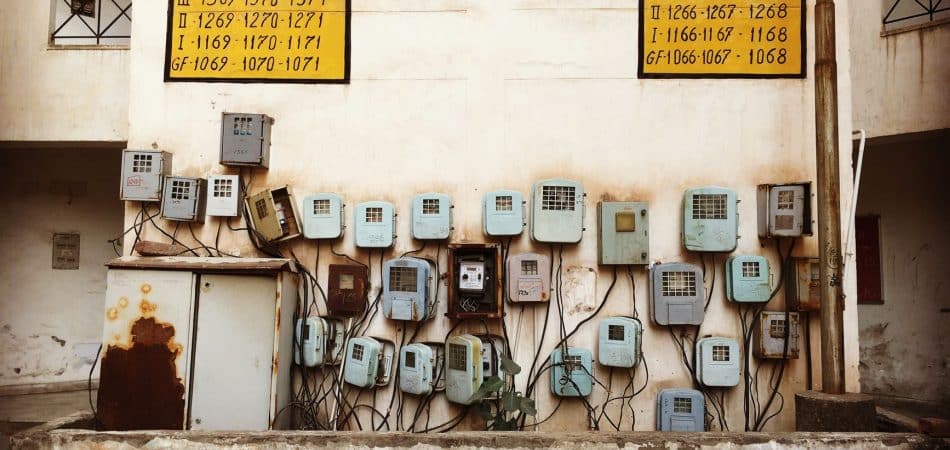
Before a home demolition can begin in New Orleans, electric and gas service has to be shut off through Entergy, water and sewer lines need to be capped by a licensed master plumber working with the Sewerage and Water Board of New Orleans, and cable or internet accounts should be closed with the private provider. Homeowners should start these calls as soon as a demolition date is set, since utility companies and licensed plumbers each need their own lead time to schedule the work.
Utility disconnection before demolition is one of the most overlooked steps in tearing down a house, yet skipping it can stall a project for weeks. Homeowners in New Orleans who are getting ready to demolish a house need to shut off electric, gas, water, sewer, and often cable or internet service before crews can safely start work. Each utility has its own process, its own timeline, and in some cases its own paperwork that has to reach the city before a demolition permit gets approved. Getting this piece right early keeps the rest of the project on schedule.
This is the kind of coordination TurnKey Demo Team walks homeowners through across the New Orleans area every week. If you are mapping out a demolition timeline and want a second set of eyes on the utility side, a quick call before you file anything with the city can save real time later.
Utility disconnection matters because live electric, gas, and water lines create real safety hazards once heavy equipment starts breaking through walls and foundations, and the city expects those lines to be inactive before work starts. A severed gas line or an energized electric feed can turn a routine teardown into an emergency in seconds. Crews operating excavators near a structure need confirmation that every line is dead before the first section comes down.
This holds true whether the job is a full residential demolition or a smaller interior gut job. Homeowners preparing a business property instead of a house face a related but different set of steps, covered in our guide on preparing a business for commercial demolition. The utility list overlaps, but who handles the paperwork and how many accounts are involved often changes.

New Orleans homeowners typically need to disconnect four things before demolition: electric and gas through Entergy, water and sewer through the Sewerage and Water Board of New Orleans, and cable or internet through the household’s private provider. The table below breaks down who handles each one and what is actually involved.
| Utility | Who Handles It | What’s Involved |
|---|---|---|
| Electric and Gas | Entergy New Orleans | Call to schedule a full disconnect and meter pull at the service address |
| Water and Sewer | Sewerage and Water Board of New Orleans (SWBNO) | Licensed master plumber files a permit, caps the lines, waits for inspection |
| Cable and Internet | Private provider (Cox, AT&T, or similar) | Cancel the account, return equipment, confirm no active line runs to the structure |
| Water Meter | SWBNO | Removed or locked once water service is confirmed capped |
Capping water and sewer lines usually means digging down to reach the pipe near the property line, which is why this step often overlaps with early excavation work on the site. Coordinating the two at the same time can save a return trip later.
The City of New Orleans Department of Safety and Permits reviews a demolition permit alongside supporting documents like contractor estimates, site photos, and posted notice, while the Sewerage and Water Board separately requires a licensed master plumber’s permit and inspection sign-off confirming the water and sewer lines are capped. The city’s own checklist does not list a single standalone “utility disconnect letter” as a required form.
What it does require, through the Sewerage and Water Board’s process, is proof that a licensed plumber pulled a permit and passed inspection before the capped lines get covered. For electric and gas, keep a copy of your Entergy service closure confirmation in your own file, since your demolition contractor will likely ask for it before scheduling work. Homeowners who want the full breakdown of city requirements can read our guide on whether a demolition permit is needed in New Orleans.
TurnKey Demo Team can review your permit file and utility confirmations before you submit anything, so nothing holds up a scheduled demolition date once the crew is ready to start.

Homeowners should request utility disconnection as soon as they lock in a demolition date, since Entergy, the Sewerage and Water Board of New Orleans, and licensed plumbers all need lead time to schedule crews and file paperwork, and waiting until the week of demolition is the most common cause of delay. Exact processing windows vary by utility and by season, so the safer approach is to call each provider the moment a date is set instead of waiting for a firm confirmation from the contractor first.
A licensed master plumber needs time on their own calendar to cap lines and pass inspection with the Sewerage and Water Board, and that step alone can take longer than expected during busy months. Homeowners can compare this against the overall project timeline in our guide on how long a home demolition takes in New Orleans to see where utility work fits into the bigger picture.
A practical checklist covers six steps: confirm the demolition date, call Entergy to schedule electric and gas disconnection, hire a licensed master plumber to pull a Sewerage and Water Board permit, cancel cable and internet service, confirm meter removal, and keep copies of every confirmation for the contractor’s file.
If your demolition date is already on the calendar, now is the time to start these calls, not the week before the crew arrives.
Entergy does not publish a fixed number of days for demolition-related disconnections, so homeowners should call as soon as a demolition date is confirmed. Processing time can vary based on the season and Entergy’s current service queue.
A licensed master plumber must pull a permit through the Sewerage and Water Board of New Orleans and cap the water and sewer lines near the property line. SWBNO then inspects the work before it can be covered.
Yes, cable and internet accounts are handled directly with the private provider and are not part of the city’s demolition permit process. Providers like Cox typically require equipment to be returned once service ends.
Live electric, gas, or water lines create safety hazards for the demolition crew and can halt work until the issue is resolved. The City of New Orleans Department of Safety and Permits expects utilities to be inactive before demolition proceeds.
Yes, a separate demolition permit from the City of New Orleans Department of Safety and Permits is required regardless of utility status. Utility disconnection and permit approval are two separate steps that both have to happen before work starts.
No, the water meter is removed or locked by the Sewerage and Water Board of New Orleans only after the plumbing permit is closed out and the capped lines pass inspection. Homeowners should confirm this step directly with SWBNO rather than assume it happens on its own.
Clearing utilities off the checklist early keeps a demolition project moving instead of stalling in the permit office. It also protects the crew on-site, since dead lines mean fewer surprises once equipment starts moving. TurnKey Demo Team has handled utility coordination and licensed demolition work across New Orleans, Metairie, and the surrounding parishes for years, and free estimates make it easy to find out what a project needs.
Reach out through our contact page or call (504) 732-9194 to get your demolition timeline started.
 TurnKey Demo Team
  Jul 24, 2026